Custom marine equipment design: engineering process
Custom marine equipment design is a critical element in naval projects where operating conditions, space constraints and regulatory requirements make standard solutions unfeasible. Every vessel presents unique requirements that directly affect the performance, safety and service life of the installed systems.
In this article, we analyse in detail how the custom marine equipment engineering process is developed, from concept definition to commissioning, including technical criteria, key stages and common mistakes.
If you want to learn more, keep reading.
What is custom marine equipment design?
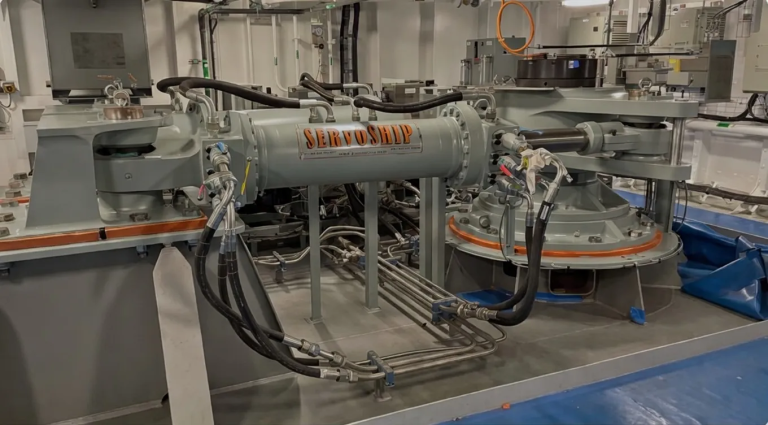
Custom marine equipment design consists of developing specific systems adapted to a particular vessel or installation.
This includes equipment such as:
- Servomotors
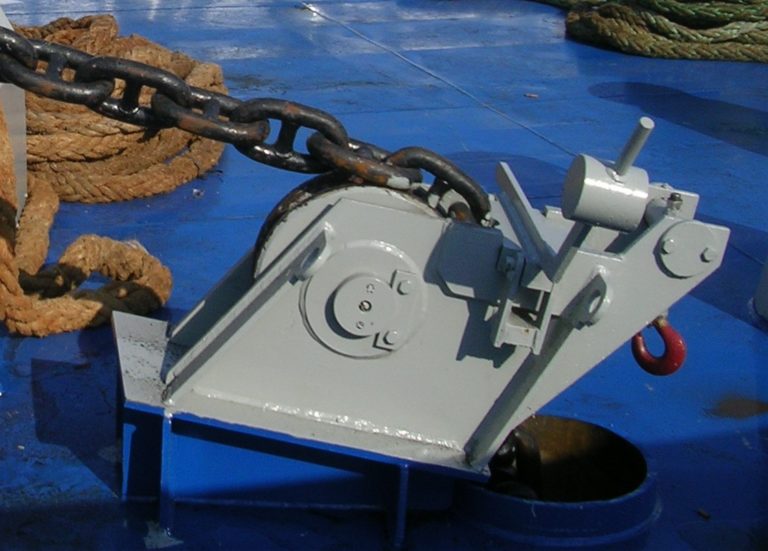
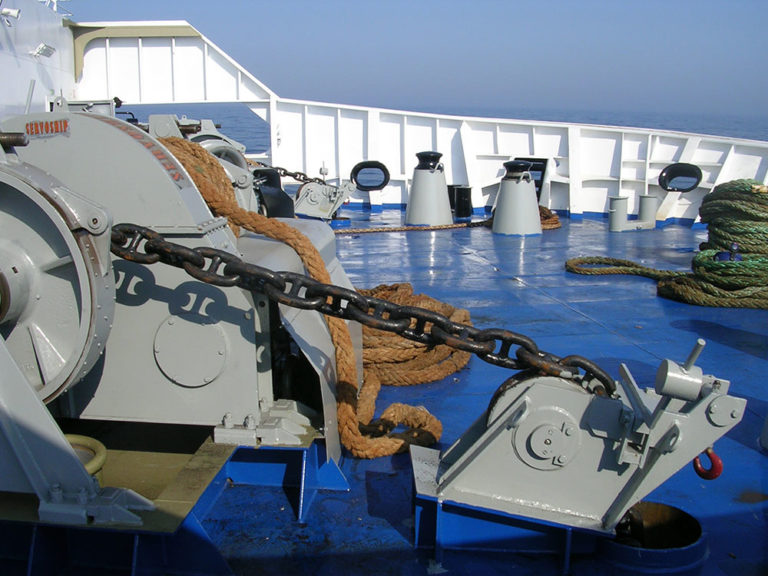
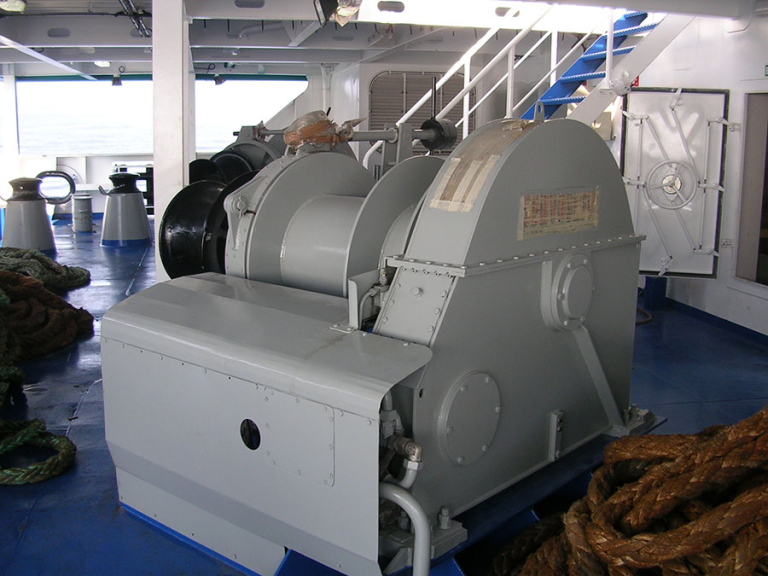
- Mooring and anchoring systems
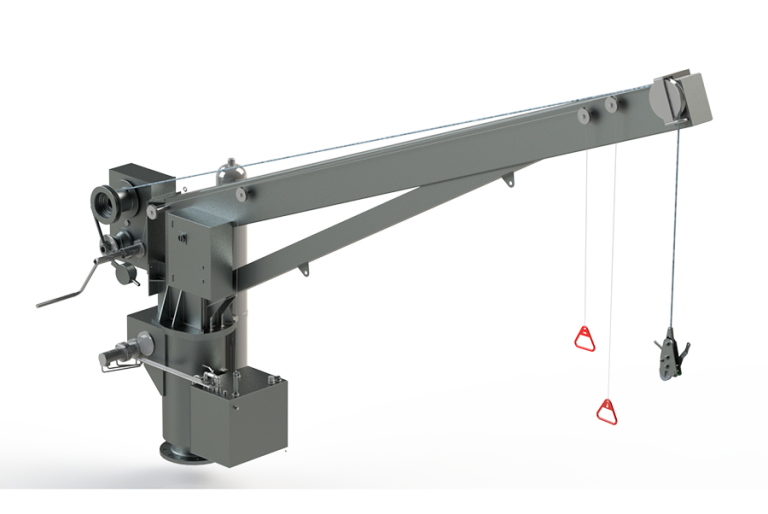
- Davits and cranes
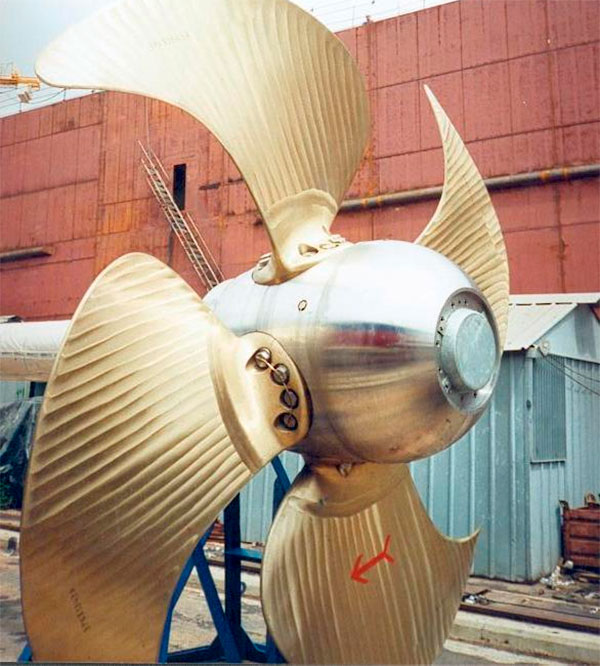
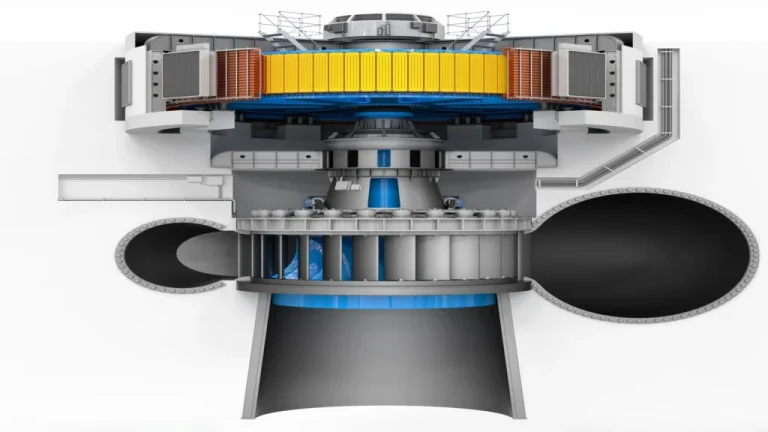
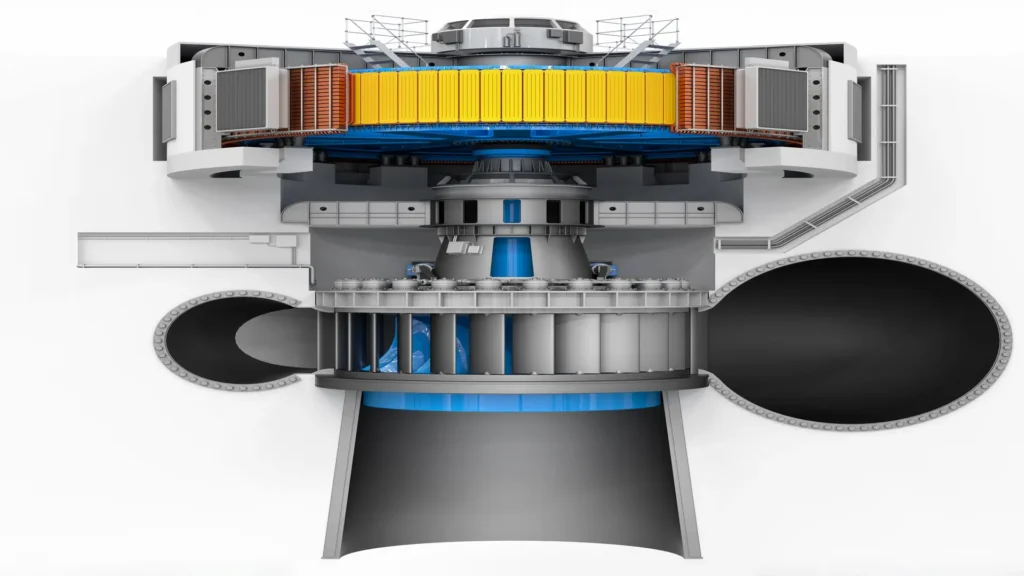
- Propellers and propulsion systems
Unlike standard products, these systems are designed considering:
- Vessel geometry and layout
- Load conditions
- Operating environment (corrosion, temperature, dynamic stresses)
- Applicable regulations
- Integration with other systems
This approach makes it possible to optimise overall system performance and ensure compatibility with the rest of the project engineering.
Engineering process stages
1. Definition of technical requirements
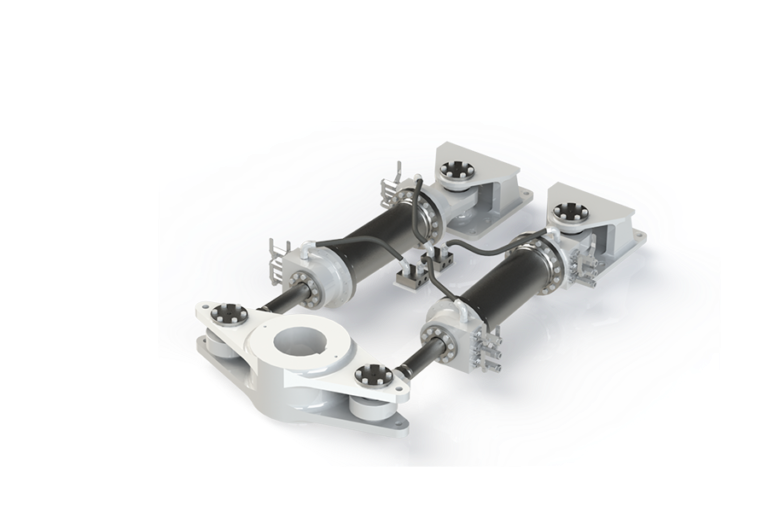
Every project begins with collecting key technical information:
- Vessel specifications
- Operating conditions
- Design loads
- Shipowner or shipyard requirements
- Applicable regulations, including classification societies and international standards
2. Conceptual engineering
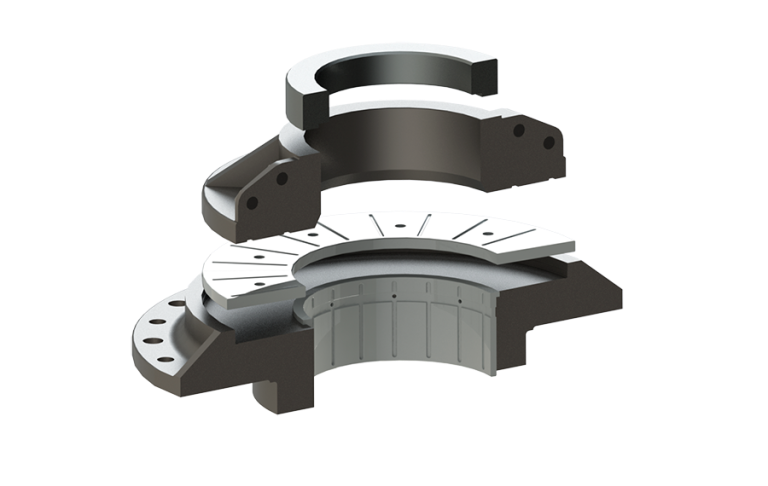
At this stage, the foundations of the design are established:
- Selection of equipment type
- General configuration
- Preliminary load analysis
- Feasibility studies
The objective is to define a technically viable solution before moving into detailed engineering.
3. Detailed engineering
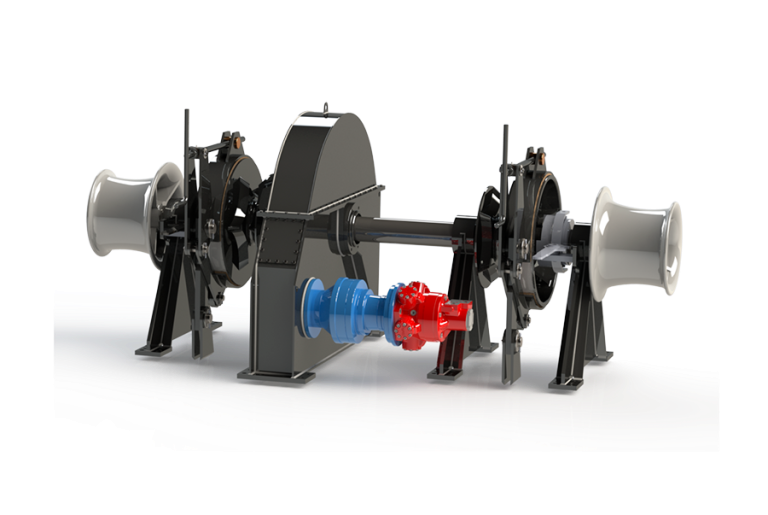
The complete equipment design is developed:
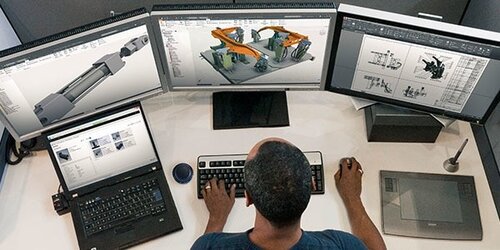
- 3D modelling
- Structural and mechanical calculations
- Material selection
- Component definition
- Manufacturing drawings
Today, the use of advanced digital tools significantly reduces errors and improves integration. According to recent industry studies, digital twin technologies can reduce design errors by approximately 30%.
4. Manufacturing and quality control
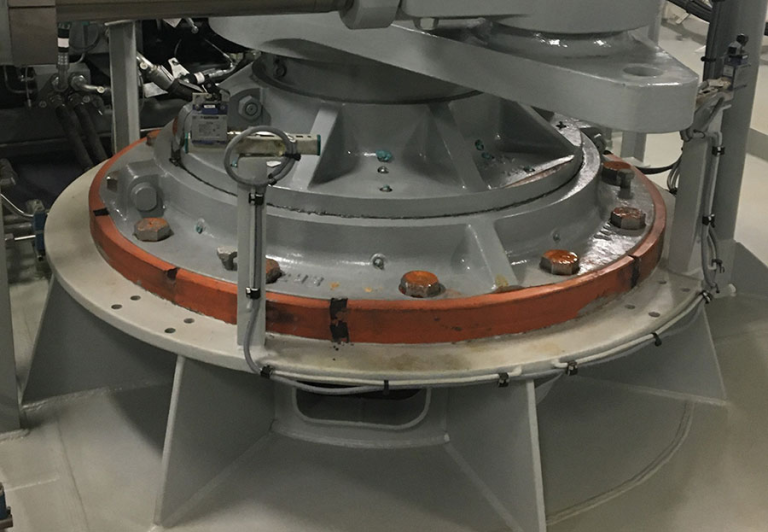
Although design is critical, execution must guarantee:
- Material traceability
- Compliance with tolerances
- Testing and inspections
- Process control
Compliance with certifications such as ISO 9001 and classification society requirements is essential during this stage.
5. Installation and commissioning
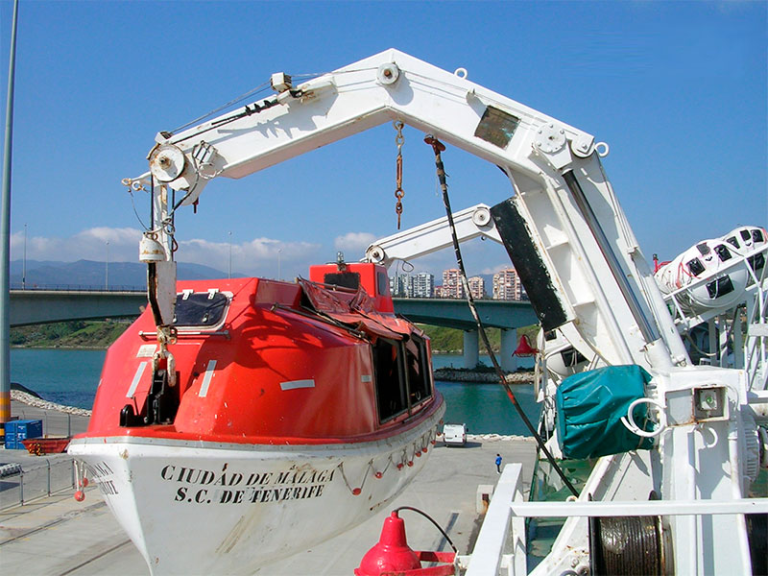
The final phase includes:
- Operational validation
- Integration into the vessel
- Alignment and adjustments
- Functional testing
Proper commissioning reduces initial failures and ensures expected performance.
Key technical criteria in marine equipment design
Adaptation to the marine environment
Marine environments impose severe operating conditions:
- Corrosion
- Dynamic loads
- Structural fatigue
The selection of materials and protective coatings is decisive for long-term durability.
Integration with the vessel
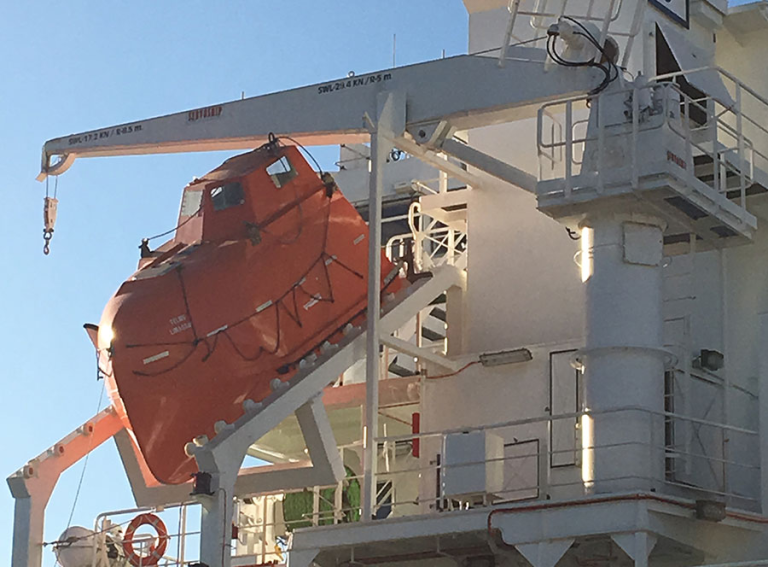
Equipment must be integrated without interference:
- Compatibility with structures
- Connection with existing systems
- Accessibility for maintenance
Poor integration can generate operational issues and additional costs.
Regulatory compliance
The naval sector is highly regulated. Equipment design must comply with:
- Classification society requirements
- International safety regulations
- Manufacturing and testing standards
Failure to comply may prevent vessel certification.
Maintenance
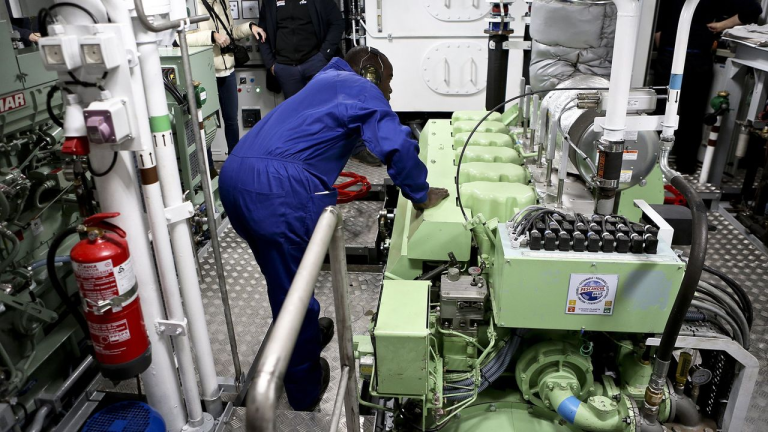
The real cost of marine equipment is not limited to manufacturing, but also includes operation and maintenance:
- Ease of maintenance
- Spare parts availability
- Accessibility
- Service life
Maintenance can represent up to 30% of the operating cost in naval propulsion systems.
Advantages of custom
Custom engineering solutions allow:
- Optimisation of available space
- Improved performance
- Reduction of system interference
- Greater operational reliability
- Adaptation to specific customer requirements
In addition, they avoid the technical compromises that often arise when adapting standard equipment to unforeseen operating conditions.
Common mistakes to avoid
- Insufficient definition of requirements
This leads to redesigns, delays and additional costs during later project stages.
- Lack of integration between engineering disciplines
Poor coordination between structural, mechanical and operational engineering generates incompatibilities.
- Prioritising initial cost over lifecycle value
Selecting cheaper solutions without considering lifecycle performance increases the Total Cost of Ownership (TCO).
- Ignoring maintenance requirements
Equipment that is difficult to maintain reduces operational availability and increases downtime.
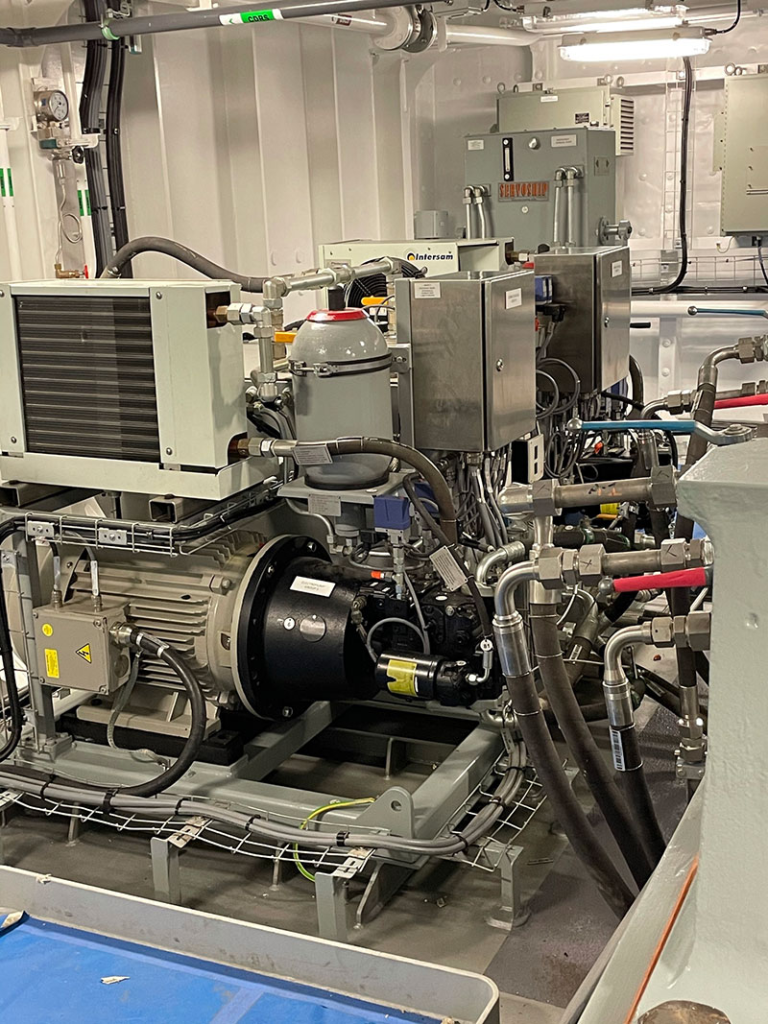
Custom marine equipment design requires a comprehensive naval engineering approach, where every decision, from initial requirement definition to commissioning, directly affects system performance, safety and durability.
The correct application of technical criteria, multidisciplinary coordination and regulatory compliance are not secondary aspects, but fundamental elements for ensuring project success.
In this context, experience and technical adaptability make the difference.
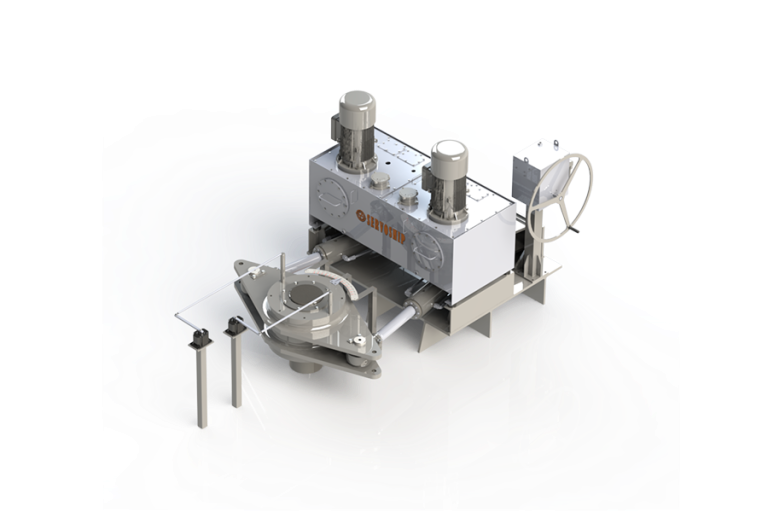
At Servoship, we have more than 50 years of experience and over 480 completed projects, developing marine equipment solutions focused on reliability, durability and project-specific requirements.
Our working model, based on custom engineering, direct customer support and technical assistance throughout the entire project lifecycle, allows us to respond accurately to the demands of complex naval environments while reducing engineering and operational risks.
If you are interested in our marine engineering solutions, contact us through our website.
Last posts
 21 de September de 2026
 9 de September de 2026
 2 de September de 2026
- 26 de August de 2026
- 17 de August de 2026
 5 de August de 2026
 28 de July de 2026
 11 de May de 2026
 11 de May de 2026
- 11 de May de 2026