What is marine equipment design and how is it selected according to vessel type
In marine equipment design, actuation systems are a critical element to ensure the operability, safety, and precision of multiple onboard functions. Among these systems, servomotors for ships play a key role in applications where motion control must be accurate, reliable, and repeatable.
For this reason, selecting a marine servomotor cannot be approached as a standard decision. Each type of vessel presents different technical requirements in terms of speed, duty cycle, and integration with other systems.
This article explains what a servomotor for ships is, how it works, and the key technical criteria for selecting the right solution depending on the vessel type and its application.
What is a servomotor for ships
A servomotor is an actuation system composed of:
- A motor (electric, hydraulic, or hybrid)
- A control system
- A feedback device (encoder or sensor)
Its function is to precisely control variables such as position, speed, or torque.
In the marine environment, servomotors are integrated into systems where control must be continuous and highly accurate, such as:
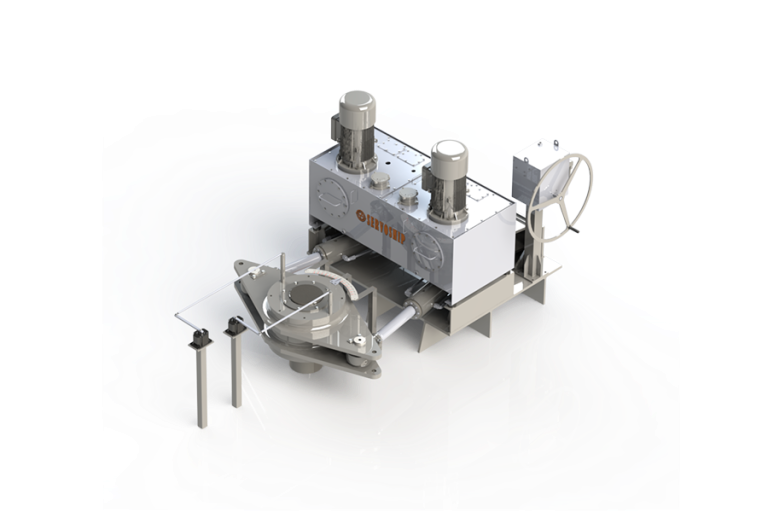
- Steering systems
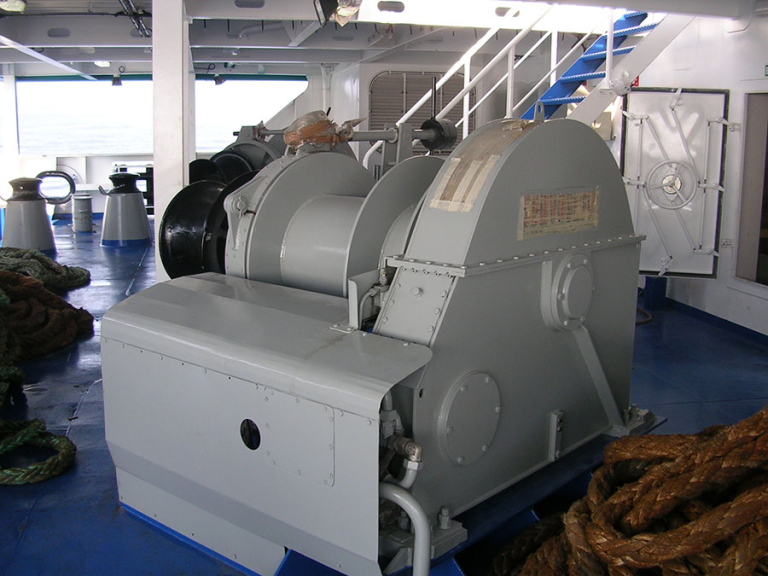
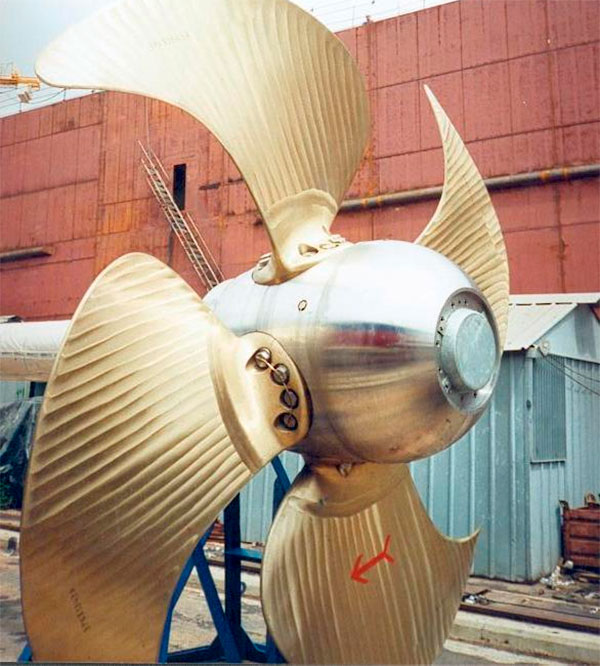
- Controllable pitch propellers
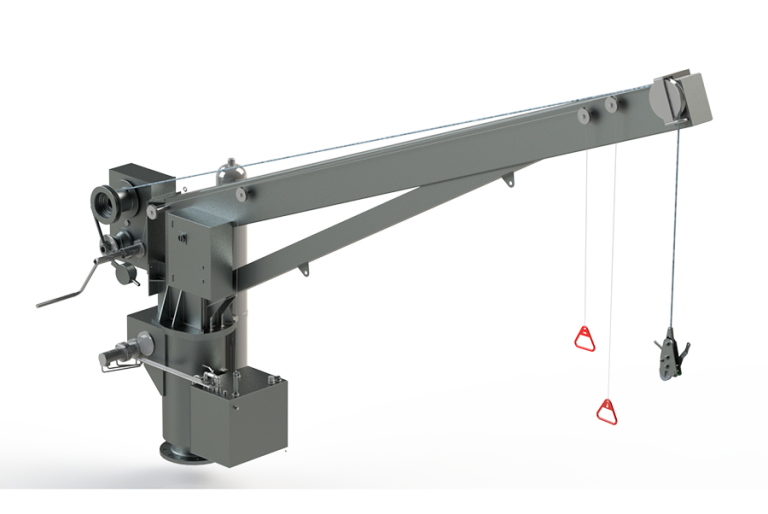
- Cranes and davits
- Automated mooring systems
- Opening/closing mechanisms
Unlike conventional motors, a servomotor operates in a closed-loop system, continuously adjusting its behavior based on feedback signals.
How a servomotor works in marine applications

The operation of a servomotor is based on three key elements:
Control system
Receives a command signal from a higher-level system (PLC, ship control system, etc.).
Drive motor
Generates the required mechanical movement. In marine applications, the most common types are:
- Electric servomotors: higher efficiency and control
- Hydraulic servos: higher load capacity
Feedback system
A sensor measures the actual position or speed and compares it with the setpoint. The system automatically adjusts movement to correct deviations.
This operating principle enables:
- High positioning accuracy
- Fast response to load variations
- Stability under changing conditions
Types of servomotors used in ships

Electric servomotors
These are the most commonly used in modern applications.
Advantages:
- High energy efficiency
- Low maintenance
- Easy integration with digital systems
Limitations:
- Lower capacity for extremely high loads
- Sensitivity to harsh environments if not properly protected
Hydraulic servomotors

Used in high-load applications or extreme environments.
Advantages:
- High torque capacity
- Robust performance under severe conditions
Limitations:
- Hydraulic maintenance requirements
- Greater system complexity
Technical criteria for selecting servomotors for ships
Selecting a servomotor must be based on verifiable technical parameters and real operating conditions.

Vessel type
Each vessel has specific requirements:
- Naval vessels: high reliability, redundancy, and precision
- Merchant vessels: operational efficiency and durability
- Offshore units: resistance to extreme conditions
- Fishing vessels: robustness and ease of maintenance
These requirements directly influence the type and configuration of the servomotor.
Torque and load requirements
Torque sizing must consider:
- Maximum loads
- Peak operating conditions
- Safety factors
A common mistake is selecting a servomotor based only on nominal load without considering dynamic conditions.
Precision and control
Applications such as steering or dynamic positioning require very tight tolerances. In these cases, the control system and encoder are critical components.
Environmental conditions
The marine environment introduces demanding factors:
- Saltwater corrosion
- High humidity
- Temperature variations
- Vibrations
This requires equipment with:
- Marine certifications
- Appropriate IP protection
- Corrosion-resistant materials
Common mistakes in selecting marine servomotors
In practice, several recurring errors affect system performance:
- Undersizing torque
- Ignoring dynamic loads
- Overlooking environmental conditions
- Choosing standard solutions without project adaptation
- Lack of integration with control systems

The selection of servomotors for ships is not an isolated decision, but a critical part of the overall marine system design. Proper sizing and integration improve operational efficiency, reduce failures, and ensure compliance with industry standards.
Working with an engineering partner experienced in applied marine systems facilitates this process, especially in projects with demanding operating conditions where standard solutions are insufficient. At Servoship, we develop servomotors and associated systems tailored to each project, providing technical expertise, design capability, and support throughout all project phases, from initial definition to commissioning.
If you would like to learn more about our services, please contact us through our website.
Last posts
 17 de August de 2026
 5 de August de 2026
 28 de July de 2026
 11 de May de 2026
 11 de May de 2026
 11 de May de 2026
- 16 de April de 2026