How we design custom equipment for naval projects and hydraulic turbines
In naval projects and hydraulic turbine applications, projects rarely fit standard solutions. Every vessel, hydroelectric plant and operating environment presents its own technical constraints: available space, regulatory requirements, load conditions, energy efficiency or integration with other systems.
This reality makes custom marine equipment design not just a differentiating factor, but a technical necessity.
In this article, we explain how this engineering process is developed, which technical criteria are involved and how it is applied in real projects.
What custom marine equipment design involves
Custom design in naval and energy engineering consists of developing specific equipment based on the client’s requirements and the operating environment.
This includes:
- Geometrical adaptation to the available space
- Integration with existing systems
- Compliance with regulations and certifications
- Optimisation of mechanical and hydraulic performance
- Material selection according to service conditions
From our engineering perspective, the working model is based on developing specific solutions for each project, including support throughout the entire lifecycle.
Stages of the design process
1. Analysis of technical requirements

The starting point is collecting project information:
- Type of vessel or hydroelectric installation
- Operating conditions (loads, cycles, environment)
- Applicable regulations (classification societies, certifications)
- Interfaces with other equipment
2. Conceptual engineering

At this stage, the following aspects are defined:
- Equipment configuration
- Operating principle
- Preliminary dimensions
- Initial material selection
For example:
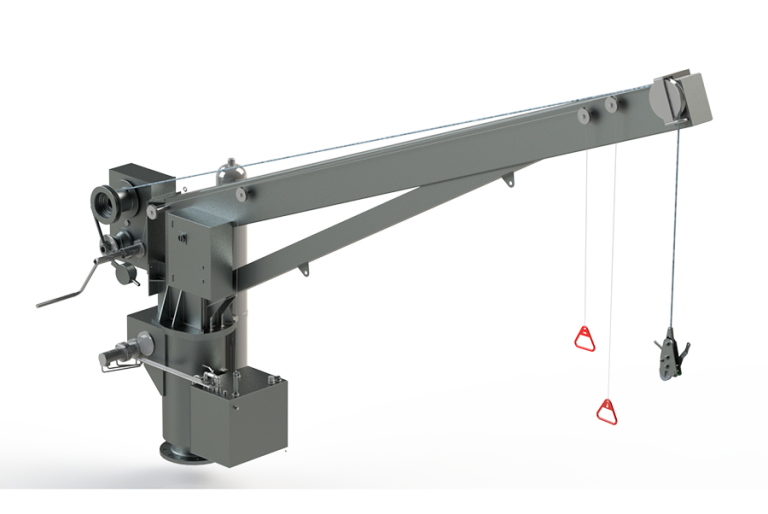
- In marine equipment: defining a davit according to load capacity and vessel geometry
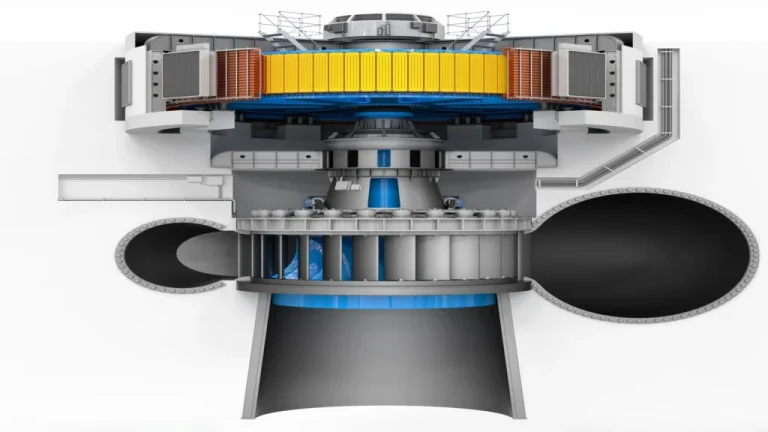
- In turbines: selecting the turbine type according to head and flow rate
3. Detailed design

This phase includes:
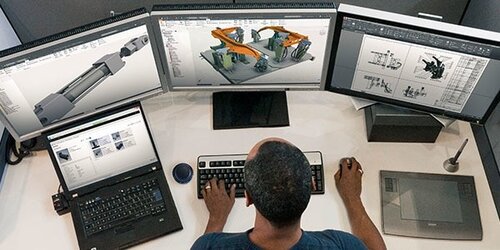
- 3D modelling
- Structural and mechanical calculations
- Stress and fatigue analysis
- Design of critical components
In hydraulic turbines, this stage is especially important for:
- Blade design
- Hydraulic optimisation
- Minimisation of energy losses

4. Manufacturing and validation
Although the engineering design is carried out internally, manufacturing may combine in-house production and outsourced processes such as machining.
During this phase, the following are performed:
- Testing
- Dimensional verification
- Functional validation
5. Installation and commissioning
The design process does not end with manufacturing, as integration into the project requires:
- Technical assistance during installation
- On-site adjustments
- Functional testing
This support is essential to ensure the equipment performs correctly under real operating conditions.
Application in marine equipment
Custom engineering is especially relevant in systems such as:
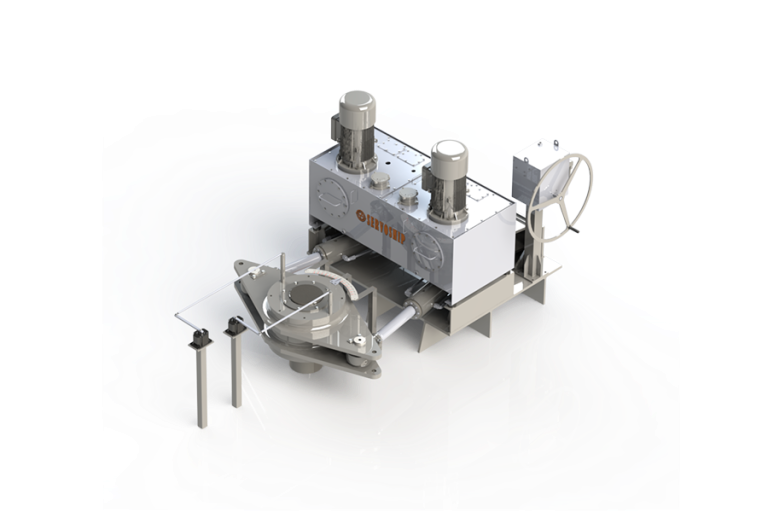
Servomotors

Servomotors are characterised by:
- Adaptation to specific loads
- Integration with vessel control systems
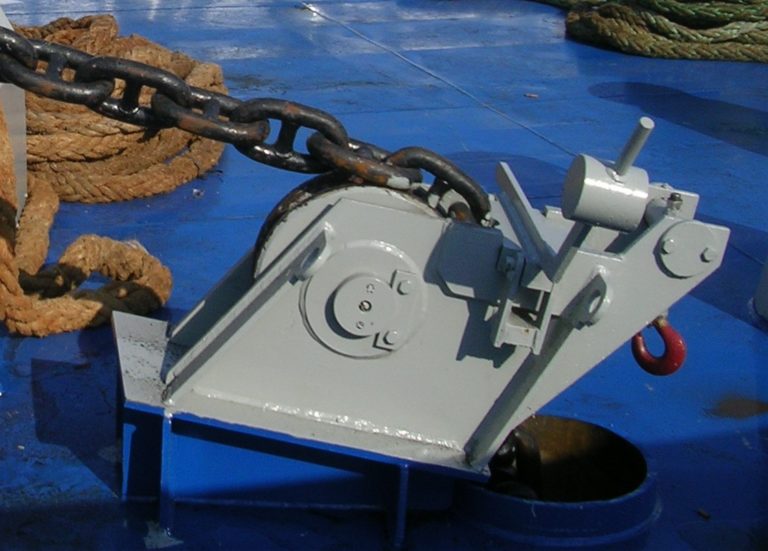
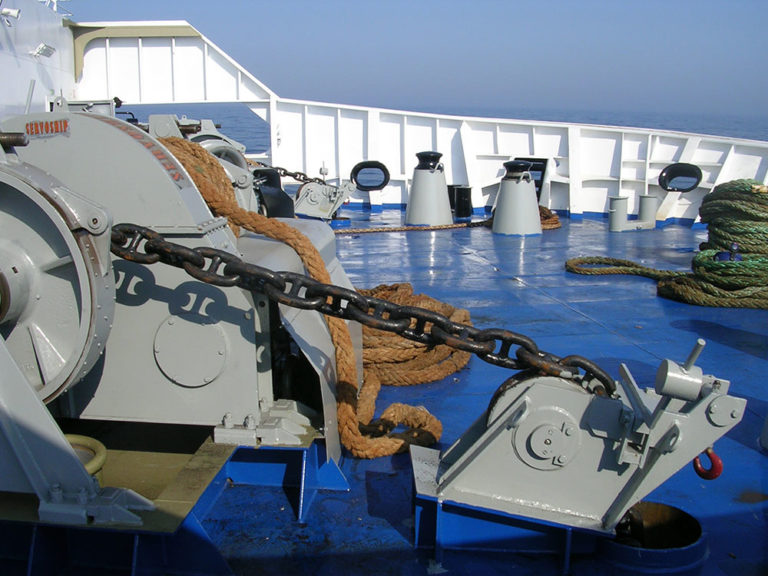
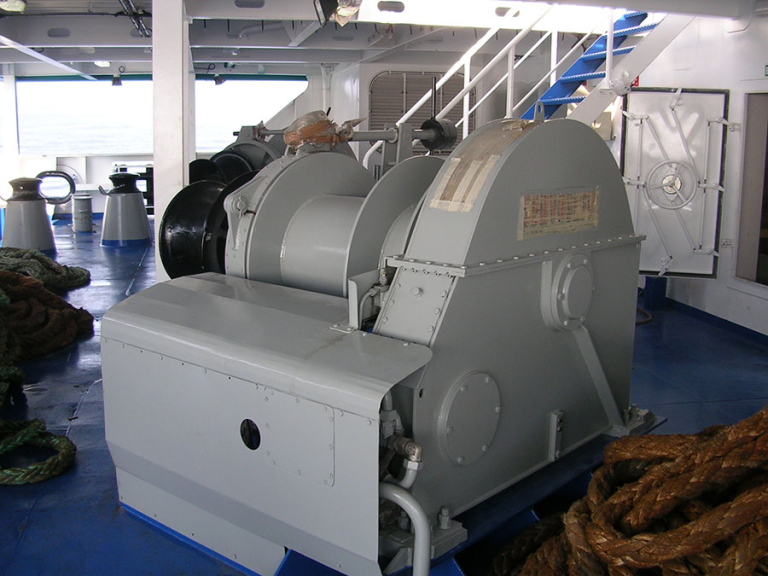
Mooring and anchoring systems

These systems are distinguished by:
- Adaptation to operational requirements (port operations, fishing activities, etc.)
- Sizing according to real working loads
Davits and cranes

These marine systems are characterised by:
- Design according to safety regulations
- Adaptation to limited installation spaces
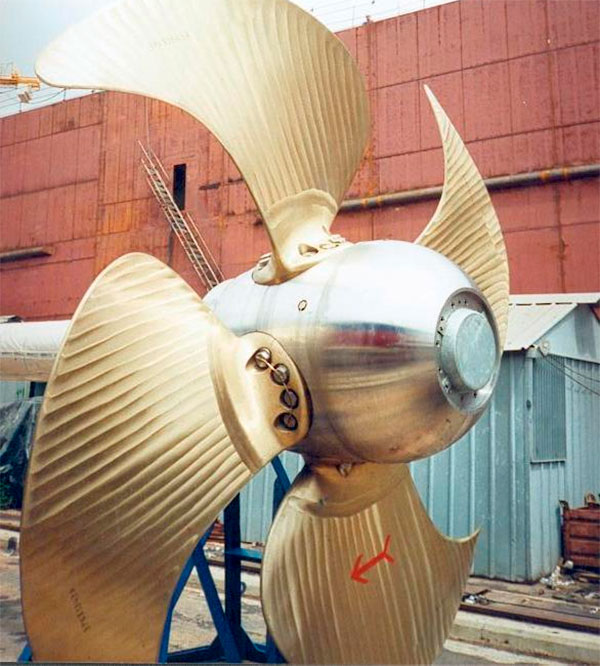
Propellers and propulsion systems

Propulsion systems are characterised by:
- Optimisation for energy efficiency
- Adaptation to navigation conditions
In all these cases, custom design improves reliability and reduces operational incidents, one of the key aspects valued in naval projects.
Advantages of custom design in naval and hydroelectric engineering
1. Greater operational reliability
Specifically designed equipment presents fewer failures and better long-term performance.
2. Performance optimisation
Adapting equipment to real operating conditions maximises mechanical and energy efficiency.
3. Regulatory compliance from the beginning
Certification requirements are integrated into the design from the earliest engineering stages.
4. Reduction of Total Cost of Ownership
Although the initial engineering phase may be more demanding, it reduces:
- Unplanned downtime
- Maintenance costs
- Premature replacements
Common mistakes
In industrial projects, problems resulting from standard solutions are common:
- Oversized or undersized equipment
- Integration difficulties in shipyards
- Energy inefficiencies
- Regulatory non-compliance
These issues directly affect project schedules, costs and operational performance.

Custom marine equipment design is a decisive factor in the success of naval and hydroelectric projects, as it enables the development of solutions adapted to real operating conditions while integrating engineering criteria, regulations and technical experience.
In this context, at Servoship we have applied this approach for more than 50 years, completing over 480 projects under a working model based on in-house engineering development, direct customer support and compliance with international standards throughout the entire project lifecycle.
If you would like to learn more about our engineering solutions, contact us through our website.
Last posts
 21 de September de 2026
 9 de September de 2026
 2 de September de 2026
- 26 de August de 2026
- 17 de August de 2026
 5 de August de 2026
 28 de July de 2026
 11 de May de 2026
 11 de May de 2026
- 11 de May de 2026