Innovations in marine propulsion and their impact on ship energy efficiency
Marine propulsion is undergoing an unprecedented transformation. Pressure to reduce emissions, rising fuel costs, and increasingly stringent regulatory requirements are driving the development of technologies capable of improving ship energy efficiency without compromising operational performance.
Shipowners, shipyards, and engineering firms are seeking solutions that reduce fuel consumption, lower operating costs, and extend the service life of propulsion systems. Innovation is no longer focused solely on more efficient engines, but also on propeller design, the integration of hybrid systems, the use of digital technologies, and the hydrodynamic optimisation of vessels.
The International Maritime Organization (IMO) has established targets to progressively reduce emissions from maritime transport through technical and operational measures, making energy efficiency a strategic factor in any new shipbuilding project. Among these measures are the Energy Efficiency Existing Ship Index (EEXI) and the Carbon Intensity Indicator (CII), which apply to a significant portion of the international fleet.
In this article, we examine the latest innovations in marine propulsion, their impact on energy consumption, and the key criteria to consider when selecting a propulsion system for a marine engineering project.
Key innovations in marine propulsion
Hydrodynamic optimisation of propellers
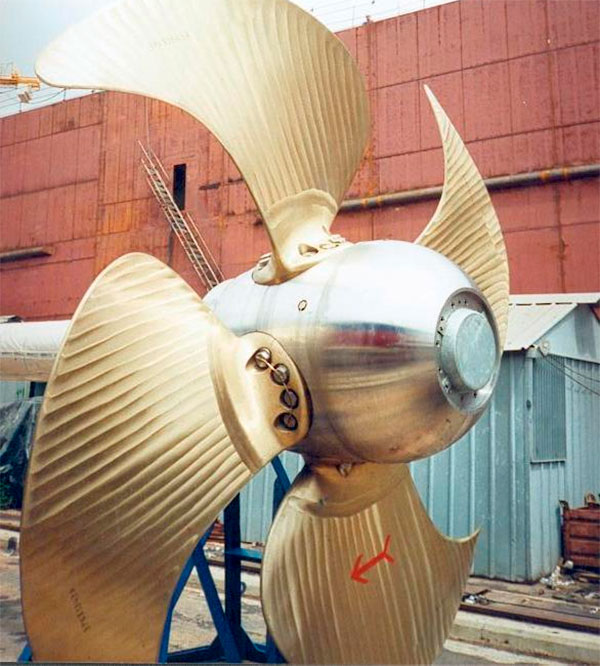
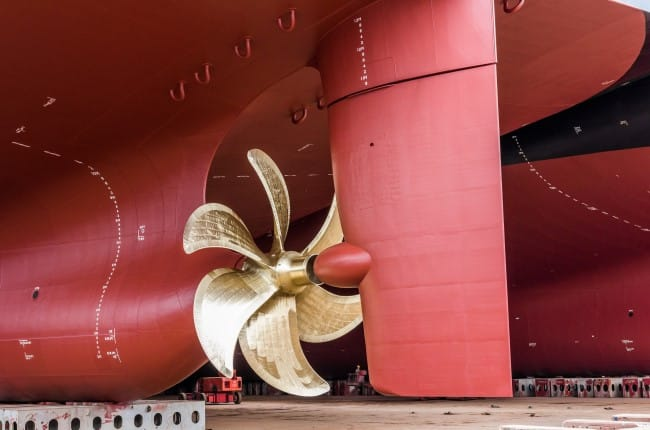
Propellers remain one of the components with the greatest influence on fuel consumption.
Advances in Computational Fluid Dynamics (CFD) simulation enable engineers to design geometries tailored to each vessel, reducing phenomena such as cavitation, vibration, and energy losses.
The most significant improvements include:
- optimisation of blade number and geometry;
- blade profiles adapted to the vessel’s actual operating conditions;
- new high-strength materials;
- manufacturing processes with significantly tighter tolerances.
A properly designed propeller can deliver substantial reductions in energy consumption throughout the vessel’s operational life.
Controllable pitch propeller systems
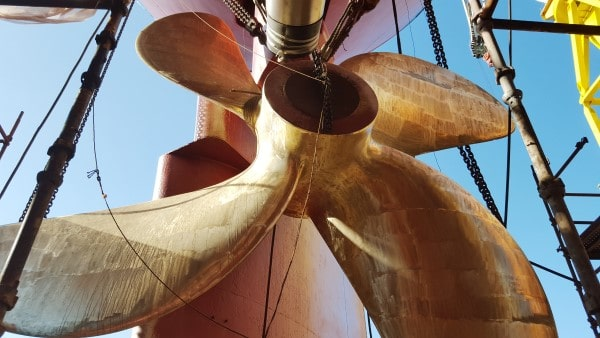
Controllable Pitch Propeller (CPP) systems allow the blade pitch angle to be adjusted without changing engine speed.
This capability offers several important advantages:
- improved adaptation to varying load conditions;
- greater manoeuvring efficiency;
- reduced fuel consumption across different operating speeds;
- lower mechanical wear.
These systems are particularly suitable for tugboats, patrol vessels, fishing vessels, and other ships with highly variable operating profiles.
Hybrid propulsion
Hybrid propulsion combines conventional engines with electric propulsion systems and battery energy storage.
Depending on the vessel’s operational profile, it can operate using:
- electric power only;
- conventional internal combustion engines only;
- both systems simultaneously.
Its main advantages include:
- lower fuel consumption;
- reduced emissions;
- lower noise and vibration levels;
- greater operational flexibility.
This technology is becoming increasingly common in ferries, harbour service vessels, offshore support vessels, and certain naval vessels.
Fully electric propulsion systems
Although fully electric propulsion systems still face range limitations, they continue to evolve thanks to the development of higher-capacity battery technologies.
They are currently particularly well suited to:
- service vessels;
- short-distance ferries;
- passenger excursion boats;
- port operations.
Their adoption is expected to increase as energy storage technologies continue to advance.
Digitalisation and intelligent monitoring
Digitalisation represents another major innovation in the marine sector.
Modern propulsion systems allow real-time monitoring of:
- instantaneous fuel consumption;
- propeller performance;
- engine operating parameters;
- vibration levels;
- component temperatures;
- navigation conditions.
This information supports predictive maintenance strategies and continuous optimisation of energy consumption.
How these innovations improve energy efficiency
A ship’s energy efficiency depends on many factors that go well beyond installed engine power.
The most influential include:
Reduced fuel consumption
A properly designed propulsion system can significantly reduce fuel consumption while maintaining the vessel’s required operational performance. This translates directly into lower operating costs, particularly for vessels with high annual operating hours.
Lower emissions
Improved efficiency means less fuel is required to perform the same work. As a result, emissions of CO₂, NOx, and other pollutants regulated by international environmental standards are reduced.
Extended equipment service life
When a propulsion system operates within its optimum performance range, mechanical stresses on engines, shafting, transmissions, and propellers are reduced. This decreases failures, corrective maintenance interventions, and overall maintenance costs.
Improved operational performance
Modern propulsion solutions also enhance:
- manoeuvrability;
- dynamic response;
- system stability;
- onboard comfort through reduced noise and vibration.
Factors to consider when selecting a propulsion system
There is no universal propulsion solution suitable for every vessel.
Selection should be based on a thorough engineering assessment that considers factors such as:
Vessel type
The propulsion requirements of a tugboat differ significantly from those of a merchant vessel, a patrol vessel, or an offshore support vessel. While a tugboat requires high bollard pull and exceptional manoeuvrability at low speeds, a merchant vessel prioritises fuel efficiency during long voyages, and a patrol vessel demands rapid acceleration and high-speed performance. Each vessel therefore requires a propulsion system specifically designed for its operational profile.
Operational profile
It is essential to assess:
- typical operating speed;
- navigation time;
- number of manoeuvres;
- loading conditions;
- operating areas.
Life-cycle cost
The assessment should not be limited to the initial acquisition cost. It should also consider:
- energy consumption;
- maintenance requirements;
- spare parts availability;
- ease of inspection;
- expected service life.
Regulatory compliance
The propulsion system must comply with the requirements of the relevant classification societies as well as all applicable international regulations governing the vessel type.
Trends shaping the future of marine propulsion
The sector is steadily moving towards increasingly efficient and intelligent propulsion solutions.
Key trends include:
- integration of alternative fuels;
- wider adoption of hybrid propulsion systems;
- automated propulsion control;
- digital twins for performance optimisation;
- artificial intelligence applied to predictive maintenance;
- advanced materials for propellers and structural components.
The common objective is to minimise energy consumption throughout the vessel’s operational lifetime.
Application in real-world projects
Every marine engineering project presents unique technical challenges, meaning that the selection of a marine propulsion system must always be approached on a case-by-case basis.
Experience shows that the most effective solutions are those specifically developed around the vessel’s operational profile, taking into account navigation conditions, classification requirements, and maintenance strategies from the earliest design stages.
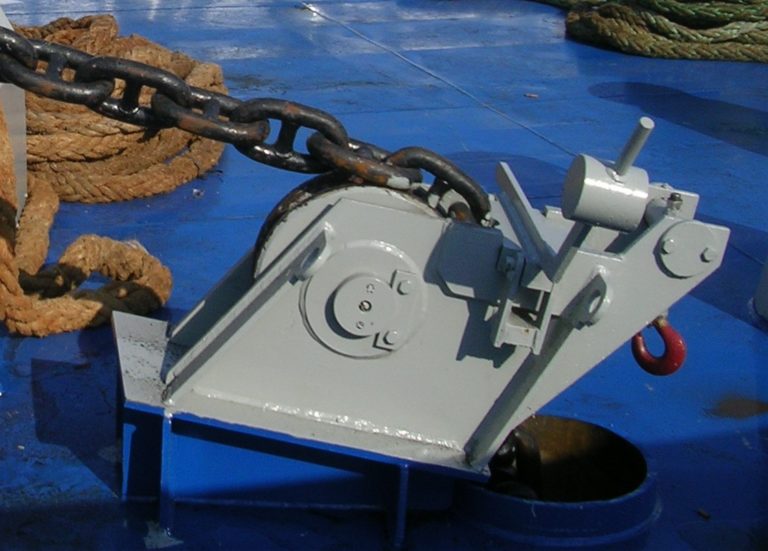
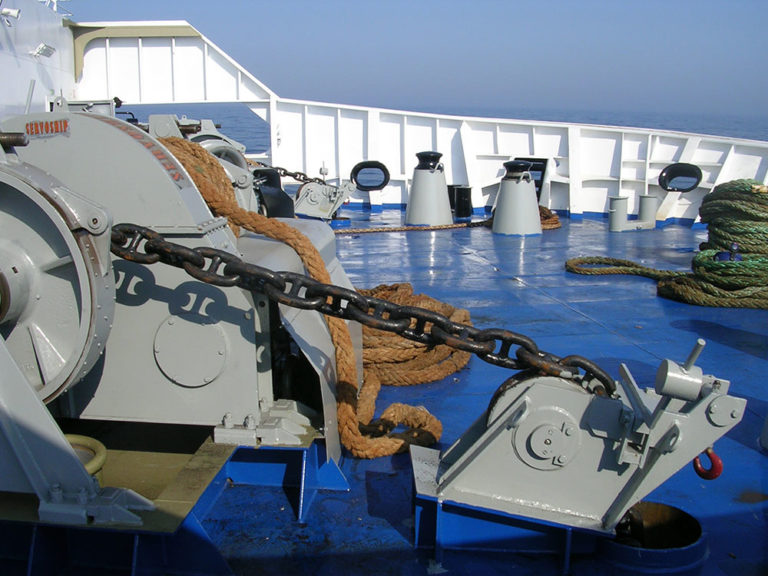
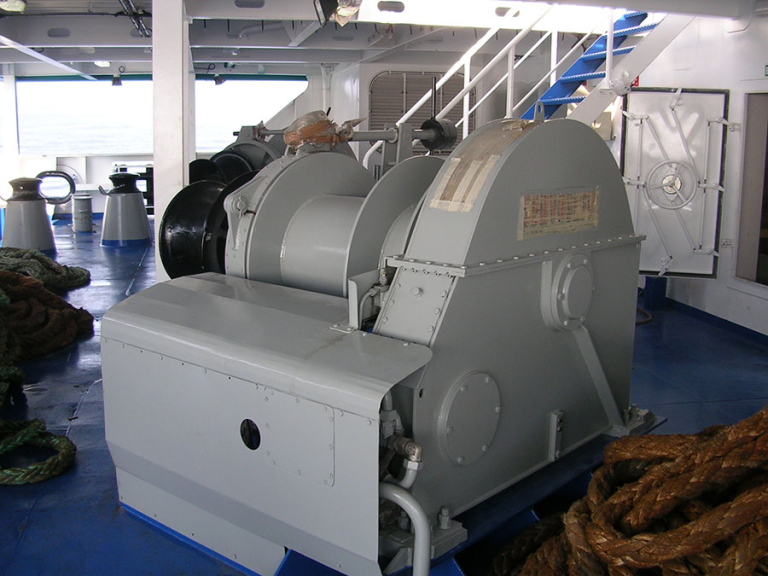
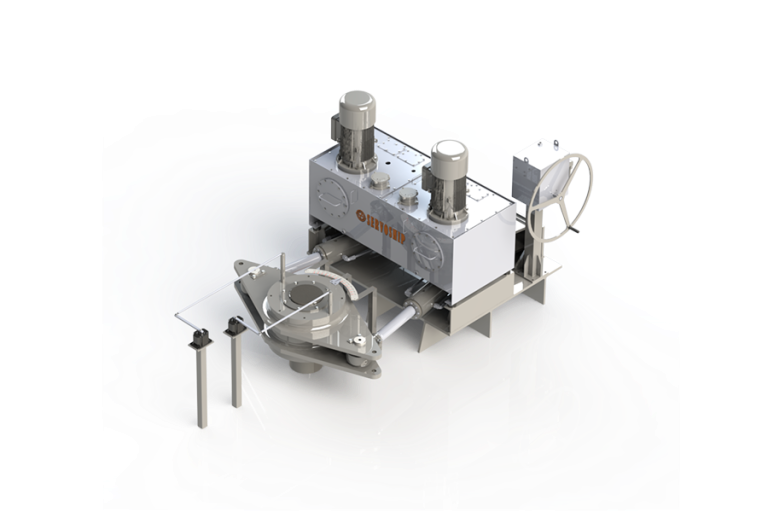
For projects of this nature, it is particularly important to work with an engineering company capable of designing customised equipment, optimising integration with the vessel’s other onboard systems, and providing technical support throughout the design, manufacturing, installation, commissioning, and sea trial phases. This approach is central to Servoship’s engineering philosophy, where tailor-made marine equipment represents one of the company’s key strengths.
Conclusion
The evolution of marine propulsion is redefining how ships are designed and operated. The combination of new technologies, digital tools, and increasingly advanced hydrodynamic designs makes it possible to reduce energy consumption, minimise emissions, and improve propulsion system reliability.
Beyond adopting the latest technologies, success depends on selecting the most appropriate solution for each vessel. Evaluating operational requirements, service conditions, and regulatory obligations from the earliest stages of a project maximises performance throughout the vessel’s entire service life.
Specialised engineering for marine projects
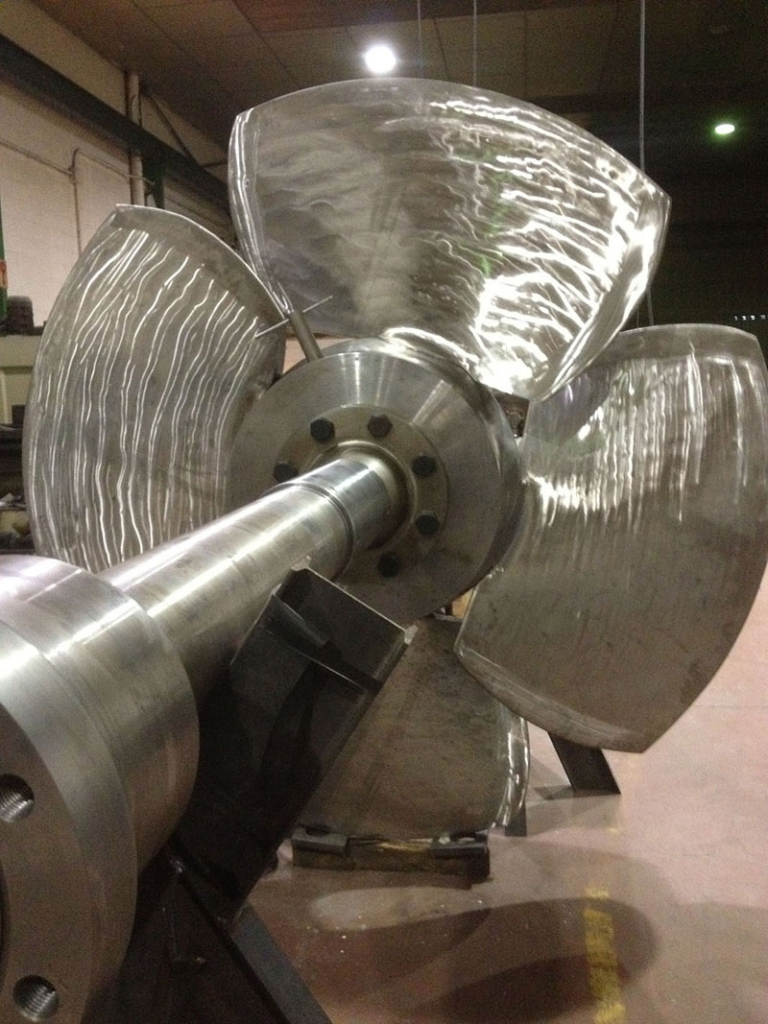
With more than 50 years of experience in marine engineering and over 480 completed projects, Servoship designs and manufactures customised marine equipment tailored to the specific requirements of each client. Its ability to develop robust, reliable solutions that comply with the world’s leading international standards enables the company to successfully deliver complex marine engineering projects while providing technical support throughout every stage of the project.
Contact us through our website.
Last posts
 21 de September de 2026
 9 de September de 2026
 2 de September de 2026
- 26 de August de 2026
- 17 de August de 2026
 5 de August de 2026
 28 de July de 2026
 11 de May de 2026
 11 de May de 2026
- 11 de May de 2026