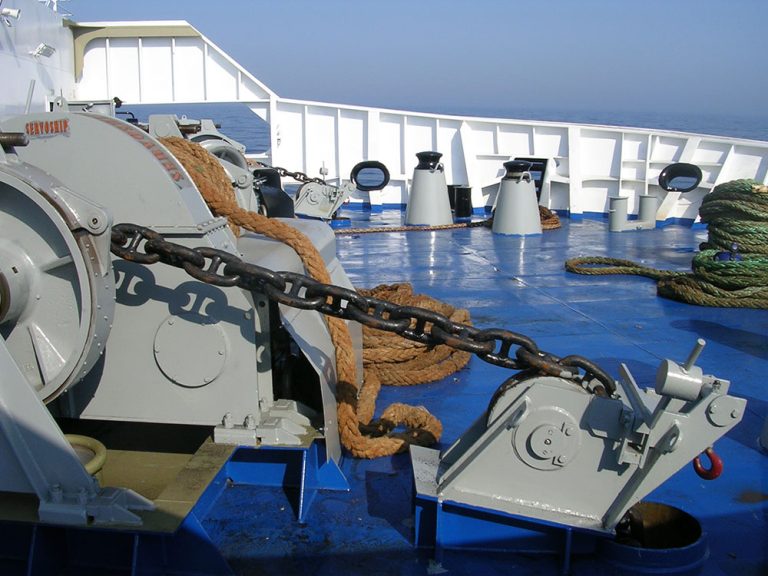
How to Optimize Marine Equipment Performance Through Mechanical Design
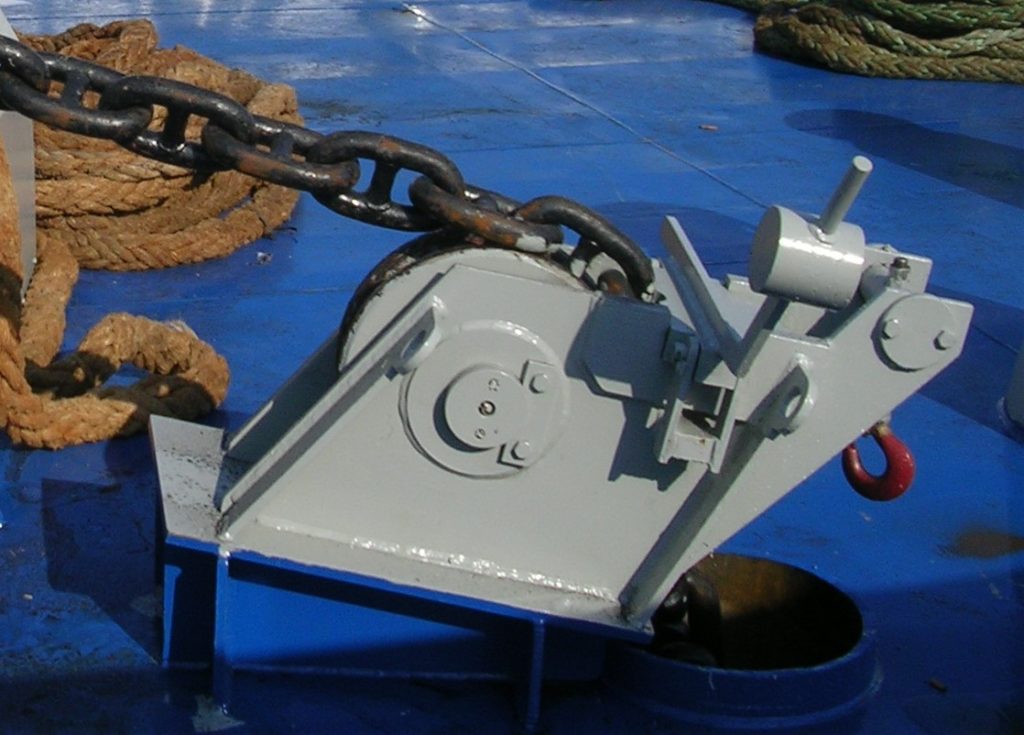
Mechanical design has a major influence on the performance of marine equipment. Component sizing, configuration, materials, load transmission, interfaces and installation must all be defined according to the machine’s function and the conditions of the installation.
In marine machinery, equipment is rarely designed in isolation. The available space, existing structures, loads transferred to the vessel, environmental conditions and classification requirements all have to be taken into account. These factors influence engineering decisions from the early stages of the project.
Optimizing performance means developing a mechanical configuration that is suited to the actual operating conditions. This requires understanding how each component works, how loads are transmitted and what constraints have to be considered when manufacturing, installing and maintaining the equipment.
Mechanical design starts with the operating requirements
Before sizing individual components, it is necessary to define the equipment’s function and the conditions under which it will operate. Capacity, operating conditions, loads, environment, available dimensions and connection interfaces are some of the key starting parameters.
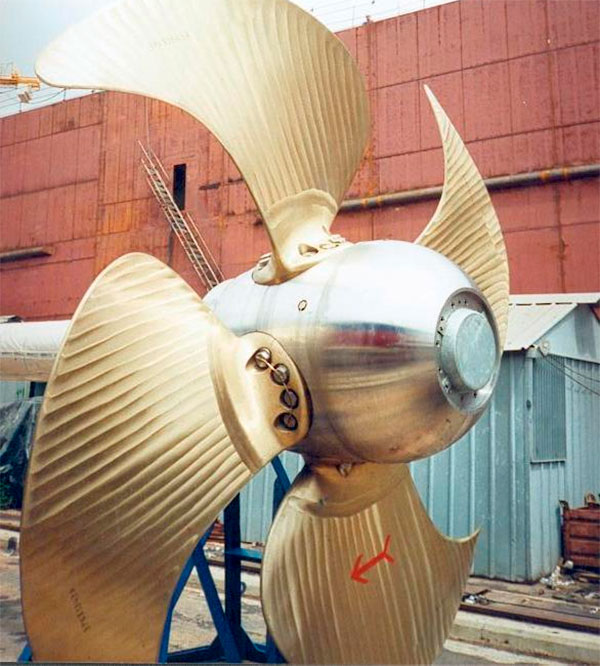
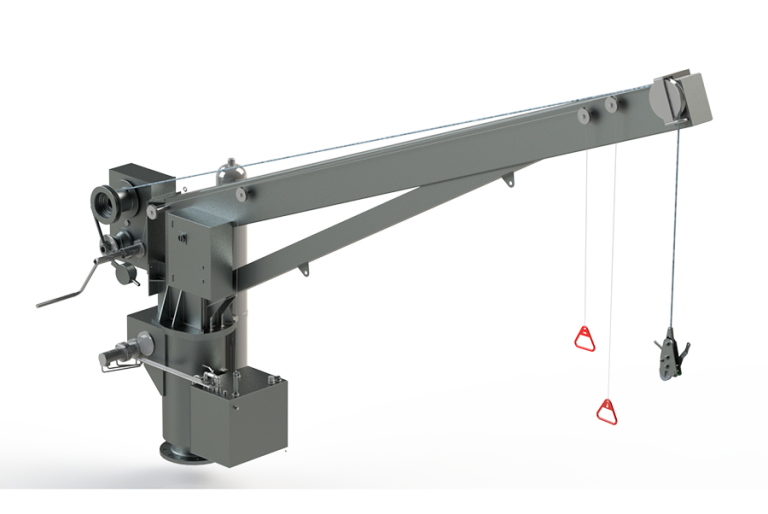
This information is used to establish the overall arrangement and determine the position of the main components. In marine equipment such as steering gears, mooring and anchoring systems, davits and cranes or propellers, operating requirements differ and lead to different mechanical design solutions.
Component sizing links loads to the mechanical configuration
Sizing defines the dimensions and strength characteristics of components according to the loads they will have to withstand during operation.
Shafts, supports, structures, joints and transmission components are designed based on the expected loads. Where variable loads are involved, the operating regime and the number and nature of load cycles affecting the relevant components must also be considered.
Sizing decisions have an impact on the rest of the equipment. A change in shaft cross-section, support geometry or bearing position can alter the way loads are distributed throughout the assembly.
For this reason, component behaviour needs to be assessed in relation to the equipment as a whole.
Material selection responds to service conditions
Each component requires a material suited to the loads it will withstand and the environment in which it will operate.
In marine machinery, exposure to moisture, seawater and other environmental agents introduces additional considerations regarding corrosion resistance. These factors must be assessed alongside the required mechanical properties and the manufacturing processes planned for each component.
Material selection can also affect component geometry, joints and subsequent manufacturing or maintenance operations. It therefore needs to be considered as part of the overall engineering process.
Load transmission affects equipment integration
The loads generated during equipment operation have to be transferred through the supports and ultimately into the structure on which the equipment is installed. Mounting points, supports, joints and structural elements all form part of this load path.
On board a vessel, equipment location may also be restricted by the available structure, access requirements, connections or potential interferences. These constraints affect component arrangement and the way in which connections are designed.
Load analysis must therefore cover both the equipment itself and the elements through which it is connected to the vessel structure.
Maintainability influences component arrangement
The operations expected throughout the equipment’s service life also need to be considered. Inspection, dismantling and component replacement require sufficient space and suitable access.
A mechanically sound arrangement can nevertheless create maintenance difficulties if components are inaccessible or other equipment has to be removed before an intervention can be carried out.
Considering these operations during the design stage makes it possible to provide the necessary access and working space before the equipment is manufactured and installed.
Manufacturing requirements influence design decisions
The design must be compatible with the processes required to manufacture and assemble its components. Geometry, tolerances, joints and assembly sequences can limit certain solutions or require modifications during development.
A geometry that is suitable from a calculation standpoint may prove impractical for the intended manufacturing process. The same can apply to certain tolerances or joint configurations.
Relating engineering decisions to the manufacturing processes makes it possible to identify these issues before production begins.
Classification requirements are part of the engineering process
When equipment is subject to the requirements of a classification society, these requirements must be considered during development. Depending on the equipment and project, they may affect materials, construction, inspections, testing and documentation.
The applicable requirements depend on the vessel, the equipment and the relevant classification society. The specific requirements should therefore be established before the design solution is finalized so that they can be incorporated into the engineering and project documentation.
Testing verifies equipment performance
Testing is used to verify that the equipment performs under the specified operating conditions.
The scope of testing depends on the type of equipment and the requirements established for each project. During this stage, the machine’s operation and its response under the specified conditions can be verified.
The test results provide validation of the developed solution and complete the engineering process.
Custom design addresses project-specific constraints
Some projects involve operating conditions, loads, available dimensions or interfaces that do not fit a standard configuration.
In these cases, custom design makes it possible to modify the equipment architecture, component arrangement or dimensions to meet the specific requirements of the installation.
This approach can be particularly relevant in marine machinery when equipment has to be integrated into an existing structure or when operating conditions require a specific configuration.
Conclusion
Mechanical design influences the performance of marine equipment from the earliest stages of a project. Loads, materials, load transmission, maintenance, manufacturing and classification requirements all contribute to defining the final solution. The objective is to develop equipment that meets the expected operating conditions while remaining suitable for manufacturing, installation and maintenance within the project constraints. Where conditions are project-specific, custom design makes it possible to adapt the mechanical configuration to the application.
Servoship designs and manufactures custom marine equipment and has more than 50 years of accumulated experience and over 480 completed projects.
Last posts
 9 de September de 2026
 2 de September de 2026
 26 de August de 2026
- 17 de August de 2026
 5 de August de 2026
 28 de July de 2026
 11 de May de 2026
 11 de May de 2026
- 11 de May de 2026
- 16 de April de 2026