How Is the Design of Marine Equipment Validated Before Manufacturing?
The design of marine equipment must meet the vessel’s operating conditions and the specific requirements of the project before it enters production. Identifying an incompatibility during the engineering phase makes it easier to correct and avoids modifications once components have been manufactured or onboard installation has begun.
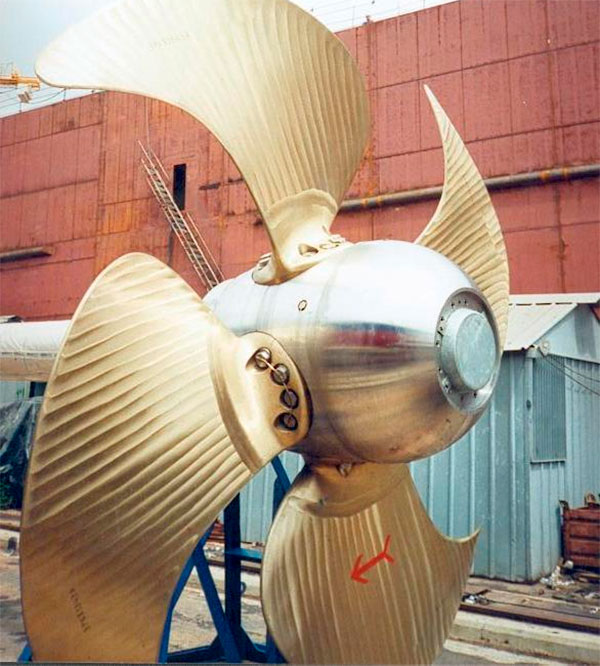
For equipment such as actuators, mooring and anchoring systems, davits, cranes and propellers, design decisions affect mechanical strength, integration with other systems and performance throughout the equipment’s service life. Each application requires the assessment of specific variables according to the expected loads and operating conditions.
Coordination between engineering, manufacturing and the shipyard is essential to defining the scope of supply correctly. A preliminary review can identify gaps in the drawings, dimensional clashes and outstanding requirements before production starts.
What Does Marine Equipment Design Validation Involve?
Validation checks that equipment performs the function for which it was designed and meets the needs of its intended application. It is closely related to design review and design verification, although each activity has a different purpose.
A design review examines engineering decisions and their consistency with the project requirements. Design verification checks compliance with specifications through calculations, analyses and document reviews. Validation confirms that the solution is suitable for its intended use and may require functional tests or specific trials.
In marine machinery, meeting the dimensions specified in a drawing does not guarantee that equipment can be installed without interference or that it will remain accessible for maintenance. Compatibility between components and interfaces with the vessel must also be checked.
1. Define the Design Requirements
Before sizing the components, it is necessary to establish what the equipment must do and the conditions under which it will operate. The required capacity, service loads, operating speed and duty cycle influence engineering decisions. Space, weight and installation constraints must also be identified.
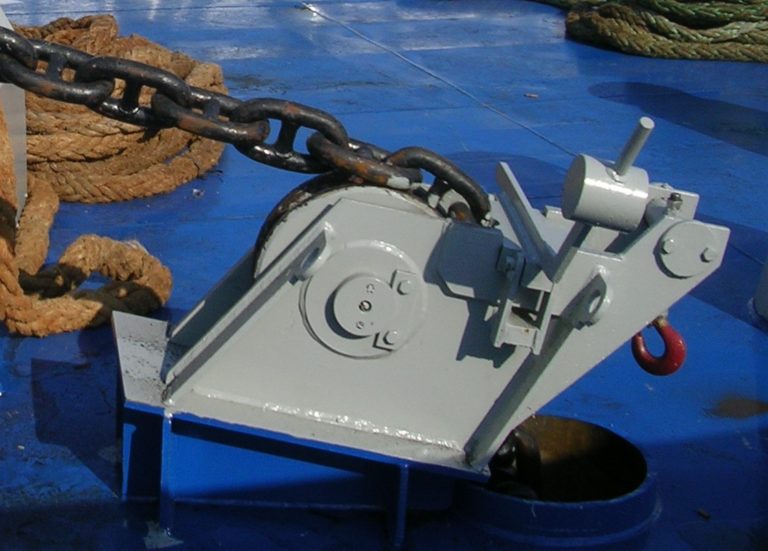
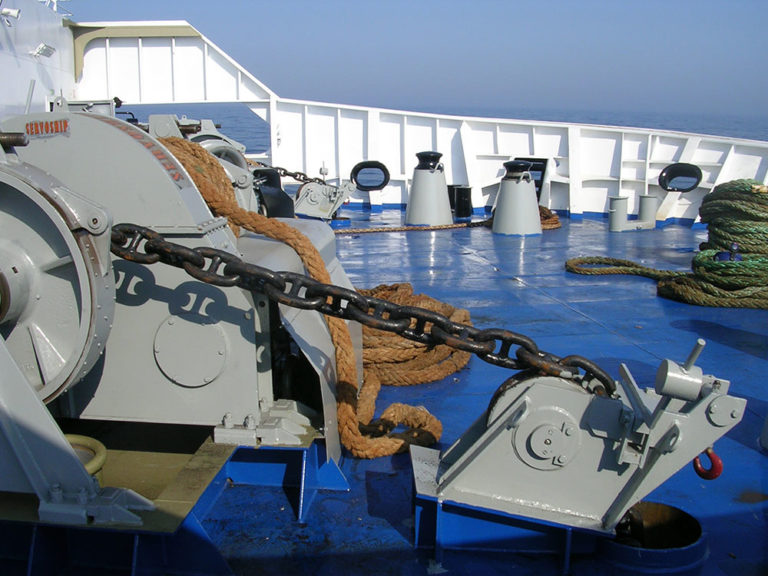
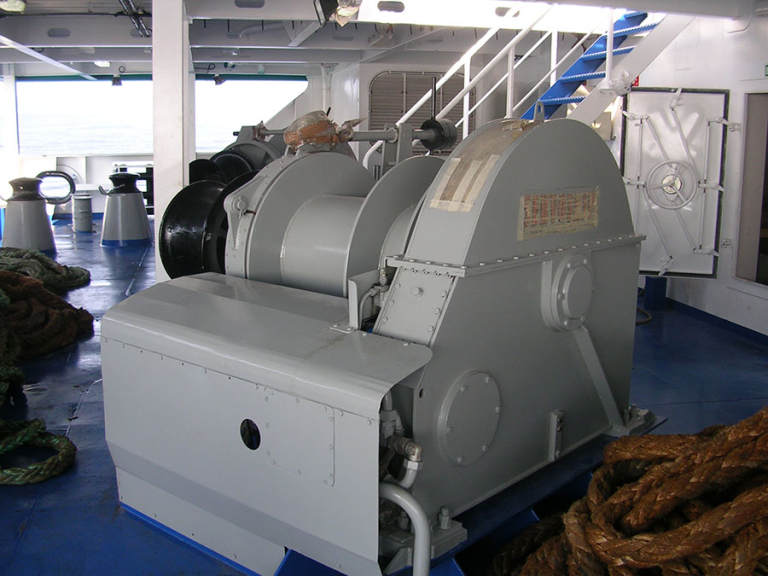
For a mooring and anchoring system, the configuration depends on the operational requirements and the characteristics of the associated system. For a davit or crane, the design of the mechanical system is influenced by the intended load, operating geometry and support points.
The initial specifications should be documented and used as a reference throughout development. If the client’s requirements or installation conditions change, the affected design decisions must be reviewed before manufacturing proceeds.
2. Assess Loads and Mechanical Strength
Mechanical analysis must establish how the structure and its components will respond to the expected loads. The scope of the assessment depends on the equipment type, its function and its operating conditions.
Deck equipment may be subject to operating loads, support reactions and cyclic stresses. For mechanisms subjected to repeated movement, it may also be necessary to assess component fatigue and its impact on service life.
Calculations make it possible to evaluate stresses and deflections against the established design criteria. Where the geometry or loading conditions justify it, finite element analysis (FEA) can help assess stress distribution. The reliability of the results depends on how accurately the model represents the geometry, materials and boundary conditions.
These checks should provide a technical justification for the selected dimensions and help identify potential critical points before manufacturing.
3. Review Materials, Tolerances and Integration
Material selection depends on the loads the equipment must withstand and the environment in which it will operate. In marine environments, moisture and salinity influence material selection, surface treatments and corrosion protection.
Drawings must specify the dimensional tolerances and fits required for assembly. In assemblies containing shafts, bearings or transmission mechanisms, incorrect specifications can make assembly difficult and affect mechanical performance.
The review must also confirm that the equipment is compatible with its installation. Mounting points, connections and available space must match the planned arrangement onboard. Access for inspection and component replacement should be addressed before the design is finalised.
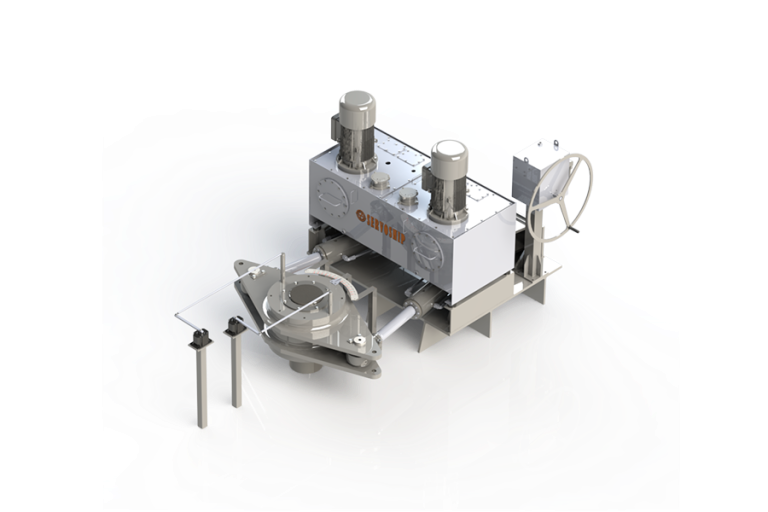
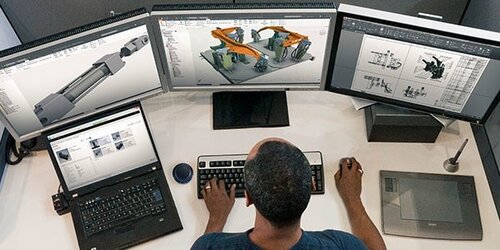
Three-dimensional CAD models help identify interference between individual parts and assemblies. However, this geometric check does not replace strength calculations or, by itself, demonstrate that the equipment will function correctly.
4. Identify the Applicable Standards and Regulations
Regulatory requirements must be identified before the design is finalised. Depending on the equipment and project specifications, these may include client requirements, classification society rules and other technical provisions.
Design approval, type approval and certification of the manufactured product have different scopes. For certain equipment intended for vessels operating under the European Union’s marine equipment framework, the Marine Equipment Directive (MED) may also apply, depending on the product category and the relevant requirements.
At Servoship, applicable requirements must be addressed according to the characteristics of each supply. Identifying these requirements from the outset helps determine the necessary documentation, reviews and inspections, and allows compliance activities to be coordinated with the project milestones.
5. Plan Testing and Release the Design for Manufacturing
Pre-production checks should define which aspects require verification and the acceptance criteria to be applied. Depending on the equipment and applicable requirements, these checks may include dimensional inspections, functional tests or specific trials.
If a deviation is identified during these checks, its cause must be assessed and the design changes or additional verification activities required must be determined.
Authorisation to proceed with manufacturing should be based on consistent, up-to-date technical documentation. The drawings, specifications, bills of materials and supporting calculations, where applicable, must reflect the configuration approved for production.
Version control is particularly important when a design is tailored to a client’s requirements. Every modification must be identified to ensure that engineering, the workshop and suppliers are working from the same documentation. The preliminary review does not replace manufacturing inspections or final tests required for the equipment.
Application in Marine Engineering Projects
Design validation must be tailored to the function of each piece of machinery. For a davit or crane, the engineering work must account for the expected loads, operating geometry and support arrangements. For an actuator, sizing and integration must meet the manoeuvring requirements and the characteristics of the system in which it will be installed.
Servoship develops custom marine equipment and coordinates design decisions with the needs of each project. This approach requires interfaces to be defined, technical requirements to be established and the documentation needed to transfer the design to the workshop to be prepared, taking into account in-house manufacturing processes and outsourced machining operations.
Coordination with the shipyard and the client helps resolve installation constraints before they affect assembly and project scheduling.
Conclusion
Validating the design of marine equipment involves checking that it meets the operating requirements, withstands the expected loads, fits the installation and complies with the applicable technical and regulatory requirements.
Reviewing calculations, materials, tolerances and interfaces helps identify problems before manufacturing begins. The scope of these checks must be tailored to each machine and its intended operating conditions.
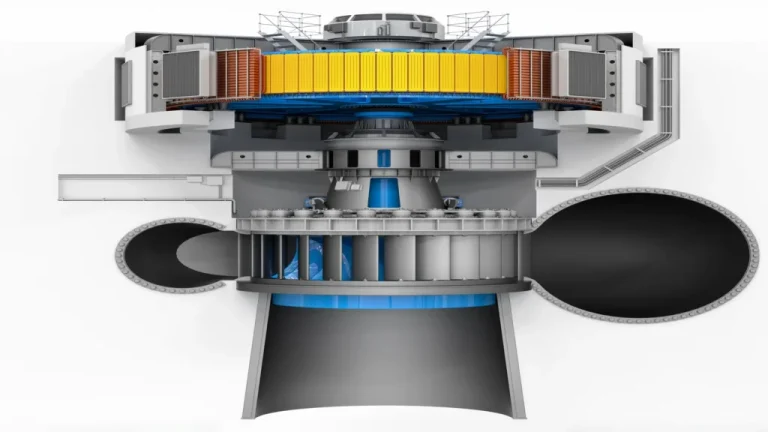
At Servoship, custom design and technical coordination with the client are integral to developing equipment for marine and hydroelectric applications. Defining project requirements correctly helps ensure a smoother transition from engineering to manufacturing and installation. Contact us to discuss your project.
Last posts
 14 de October de 2026
 21 de September de 2026
 9 de September de 2026
 2 de September de 2026
- 26 de August de 2026
- 17 de August de 2026
 5 de August de 2026
 28 de July de 2026
- 11 de May de 2026
 11 de May de 2026