How to integrate steering gears into marine steering systems
The steering system determines a vessel’s manoeuvrability. Every rudder command must be translated into precise, stable and repeatable movement, even under high loads and demanding operating conditions.
Steering gears play a central role within this system. Their performance also depends on the steering mechanism, the power unit and the control system. All these elements are part of the same steering system and must be designed to operate together.
Every vessel has different requirements. Rudder type, available space, the number of rudders and regulatory requirements all influence the most suitable solution for a given project.
A steering system is not defined by a single component. Its performance depends on how the entire system works together.
The steering mechanism determines rudder response
The steering mechanism transmits the force generated by the steering gear to the rudder. Its configuration has a direct impact on manoeuvrability and must match the requirements of each project.
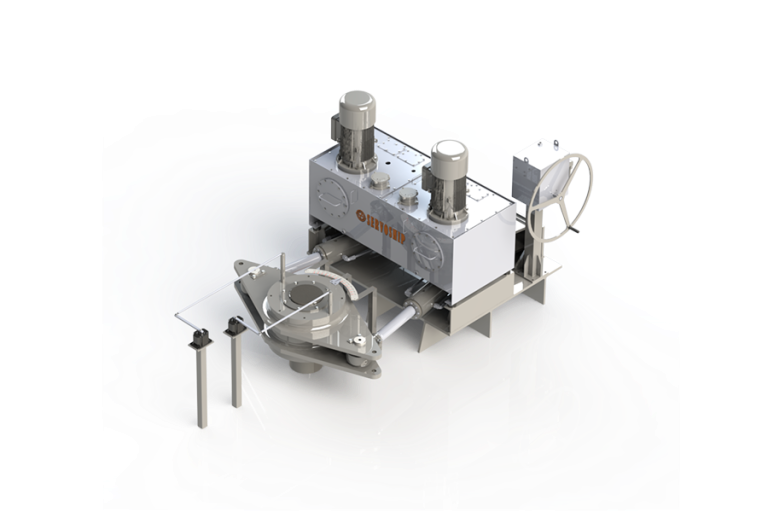
One of the most widely used configurations is the Cylinder type steering gear. In this arrangement, the geometry must be correctly sized so that the maximum torque required by the rudder is available at the rudder angle specified by the rudder manufacturer. This relationship is essential to make full use of the system’s capabilities.
Another common solution is the Rapson type steering gear. It consists of two or four hydraulic cylinders acting along the same line of action. This configuration is typically selected for high actuating torques or where installation space requires a more compact design.
The choice between these configurations depends on the vessel’s characteristics and the intended operating conditions.
The power unit is an integral part of the steering system
The power unit supplies hydraulic oil to the steering gear actuating cylinders. Its design has a direct influence on system performance and must meet the operating requirements of each manoeuvre.
In marine steering systems, it is common practice to use two identical motor-pump units. Each unit is capable of providing the steering gear’s full performance independently. This arrangement improves operational flexibility and helps maintain steering capability if one unit is unavailable.
Depending on the project, additional options may be required, including variable flow pumps to reduce noise and vibration, AISI 316L stainless steel tanks and piping, or manual emergency pumps.
The power unit is not an auxiliary component. It is an essential part of the steering system and has a direct impact on its performance.
The control system links all system components
The control system supervises and manages the operation of the steering system. In addition to controlling manoeuvres, it allows the system to be monitored from the bridge, control room or bridge wings.
Its functions include rudder angle indication together with NFU and FU control, depending on the vessel’s operational requirements.
Many projects also require communication with other onboard systems. Integration with the Ship Integrated Control System (SICP), the Autopilot or the Voyage Data Recorder (VDR) allows the steering system to become part of the vessel’s overall control architecture.
The design must reflect the vessel’s characteristics
Two vessels of similar size may require completely different steering systems. The number of rudders, rudder angle, actuating torque or the layout of the steering compartment can vary significantly from one project to another.
These differences require the steering system to be tailored to each vessel. The design must also comply with the requirements established by SOLAS and the relevant Classification Societies, as these form part of the engineering process from the outset.
The objective is to develop a solution that meets the vessel’s operational requirements while simplifying installation, operation and maintenance.
Tailored engineering for every project
Standardisation is suitable for many types of marine equipment, but steering systems often require a different approach. Operating conditions, vessel configuration and owner requirements make every project unique.
For this reason, many engineering companies develop steering systems specifically for each vessel. This approach makes it possible to adapt the steering mechanism, power unit, control system and the synchronisation of one, two or three rudders to the project’s requirements.
At Servoship, this philosophy is applied to the design of steering systems developed around the vessel’s characteristics, the customer’s specifications and the applicable SOLAS and Classification Society requirements.
Conclusion
Integrating steering gears involves much more than selecting equipment capable of delivering a given actuating torque. The steering mechanism, power unit and control system must operate as a single integrated system to ensure accurate and reliable steering performance.
A steering system designed around the vessel’s specific requirements makes better use of its capabilities and simplifies operation throughout its service life. Experience in this type of engineering is a key factor in selecting the most appropriate solution for each project.
Last posts
 21 de September de 2026
 9 de September de 2026
 2 de September de 2026
- 26 de August de 2026
- 17 de August de 2026
 5 de August de 2026
 28 de July de 2026
 11 de May de 2026
 11 de May de 2026
- 11 de May de 2026