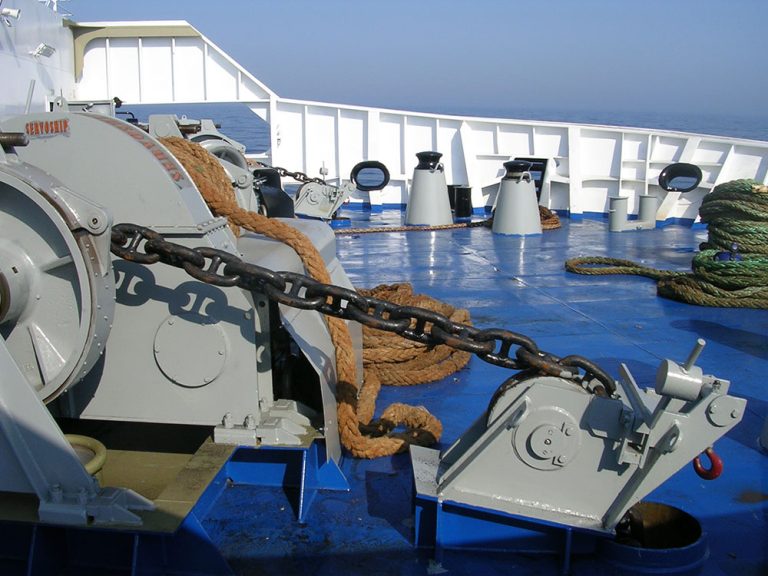
Factors determining the durability of marine equipment in corrosive environments

The durability of marine equipment is influenced by the characteristics of the environment in which it operates, but also by the decisions made during its design and manufacturing. Exposure to the marine atmosphere, humidity, seawater and spray introduces requirements that must be considered alongside mechanical loads, operating conditions and maintenance requirements.
For equipment installed on deck or exposed to demanding environmental conditions, corrosion protection is part of the product engineering itself. Materials, geometry, joints, surface preparation, protective coatings and inspection procedures must be selected consistently with the actual service conditions.
For this reason, durability should be addressed from the early stages of the project. Defining the environmental and operating conditions makes it possible to establish the appropriate materials, design configuration and protection systems for each application.
Environmental exposure must be defined during design
Different areas of the same vessel may present significantly different exposure conditions. A component installed in an enclosed space faces different requirements from one installed on deck, exposed to spray or permanently in contact with water.
ISO 12944-2:2017 establishes corrosivity categories for different atmospheric environments and also covers structures immersed in water. The standard considers environmental conditions to be a key parameter when selecting appropriate protective paint systems.
Consequently, the design should start with a precise definition of where the equipment will be installed and how it will be operated. In naval projects, this information must also be considered together with factors such as loads, vibration, duty cycles and space constraints.
Material selection influences equipment performance
Material selection must address mechanical and environmental requirements simultaneously. Strength, material compatibility, corrosion behaviour and manufacturing considerations are all part of the same engineering decision.
Connections between different metals require particular attention in conductive environments such as seawater. When dissimilar metals are electrically connected in the presence of an electrolyte, galvanic corrosion may occur. The configuration of the joints and the selection of materials should take this mechanism into account.
The possibility of inspecting and maintaining the components should also be considered. A technically suitable solution must allow the necessary maintenance operations to be carried out during service without creating unnecessary access difficulties.
Design configuration affects corrosion protection
Equipment geometry has a direct influence on its susceptibility to deterioration. Areas that are difficult to access, configurations that hinder drainage or surfaces where moisture can accumulate may increase protection and maintenance requirements.
For this reason, the design should facilitate both the initial application of protective systems and their subsequent inspection. This is particularly important for marine machinery installed in confined spaces or exposed areas of a vessel.
Maintenance access should also be considered during engineering. If certain areas require periodic inspection, the design should provide access to them and allow the necessary work to be carried out without unnecessary disassembly.
Protective systems must match the environment
Protective coating systems should be selected according to the exposure conditions and the required performance. ISO 12944-9:2018 specifies requirements for protective paint systems for offshore and related structures exposed to marine atmospheres or immersed in seawater or brackish water within the categories covered by the standard.
Final performance does not depend solely on the coating product itself. Substrate preparation, application of the complete coating system and the controls carried out during the process are also part of the protection strategy.
For this reason, coating specifications and application requirements should be integrated into the manufacturing and quality-control process. ISO 12944-9 includes laboratory performance test methods for assessing protective paint systems within its scope.
Manufacturing and inspection also affect durability
A correct definition during the design phase must subsequently be reflected in manufacturing. Surface preparation, the execution of joints and the controls established for the different processes all influence the final performance of the equipment.
Specific inspection, manufacturing and testing requirements may also depend on the type of equipment, its function and the classification rules applicable to the project. There is therefore no single procedure that can be applied universally to all naval equipment.
Coordination between engineering, manufacturing and inspection helps ensure that the requirements established at the beginning of the project are maintained throughout the process.
Operating conditions modify equipment requirements
Environmental exposure acts together with operating conditions. Load cycles, vibration, temperature and duty profile can modify the requirements imposed on a component.
This is particularly relevant for equipment combining movement and mechanical loads with environmental exposure. The operating profile should therefore form part of the initial specification, together with the vessel type, its intended operation and the equipment location.
In this context, selecting marine equipment requires an assessment of the operating profile, loads, environmental conditions and integration requirements. These are among the criteria considered by Servoship when developing equipment adapted to individual projects. Criteria for choosing marine equipment for industrial vessels
Maintenance must be considered during engineering
In-service durability also depends on whether equipment can be properly inspected and maintained. Access to components, the ability to identify deterioration and the possibility of carrying out repairs should all be considered during design.
Highly exposed areas require particular attention, as do configurations that may favour moisture accumulation or make inspection difficult.
Designing with maintenance in mind makes it possible to establish from the outset the conditions required to preserve equipment performance and facilitate future interventions.
Standards must be applied according to the project
Corrosion-protection standards must be interpreted within their specific scope. ISO 12944 provides criteria for classifying environments and for protective paint systems applied to steel structures, but the requirements applicable to specific naval equipment may also depend on its function, location, vessel type and classification society.
It is also necessary to verify the current edition of the applicable standards. ISO 12944-2:2017 remains the published edition currently referenced, although ISO has a working draft intended to replace it. ISO 12944-9:2018 was confirmed in 2025 and remains published, while ISO currently lists it for revision.
Naval projects may also involve specific requirements arising from SOLAS, IMO or classification societies. Their application must be determined according to the specific characteristics of the equipment and vessel rather than being used as generic references.
Design and maintenance errors that can accelerate deterioration
Problems that can be prevented during engineering include insufficient characterisation of the environment, configurations that hinder drainage or inspection, material combinations that increase the risk of galvanic corrosion and protective systems that do not correspond to the exposure conditions.
Problems can also arise during manufacturing if the specified surface-preparation conditions are not maintained or if damage occurring during the manufacturing process is not adequately repaired.
Addressing these issues during design can reduce the likelihood of corrective interventions later, particularly once the equipment has been integrated into the vessel.
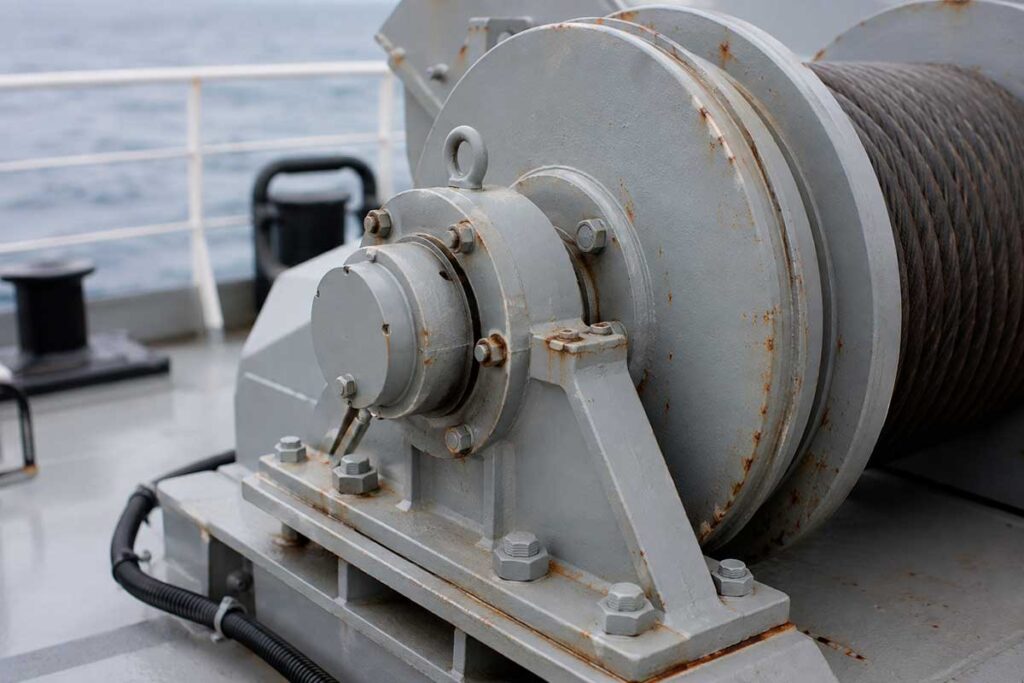

Designing marine equipment for real service conditions
Durability in corrosive environments results from a series of interconnected engineering decisions. The environment determines the protection requirements; mechanical requirements influence materials and configuration; the design affects accessibility and maintenance; and manufacturing and inspection allow these requirements to be transferred to the finished equipment.
This approach is particularly important when marine machinery is developed for a specific application. Vessel characteristics, loads, operating conditions, available space and regulatory requirements may make it necessary to adapt the solution from the engineering stage itself.
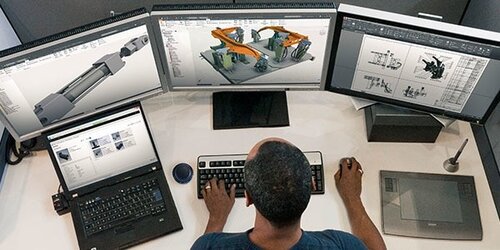
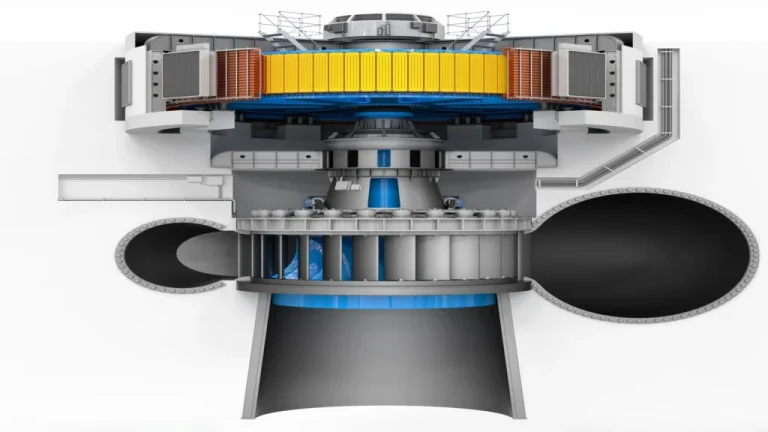
Servoship works with a custom design and manufacturing approach for marine equipment, taking into account operating conditions, loads, the environment, interfaces and the regulatory requirements of each project. How Servoship designs custom equipment for naval projects and hydraulic turbines
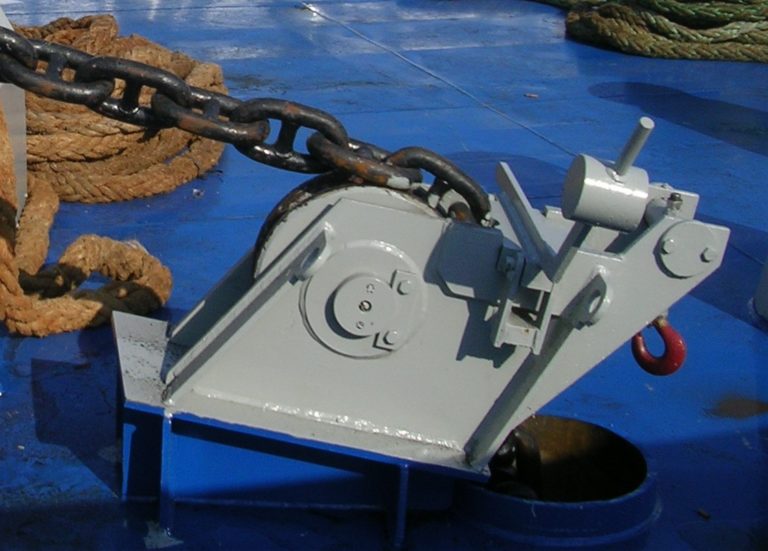
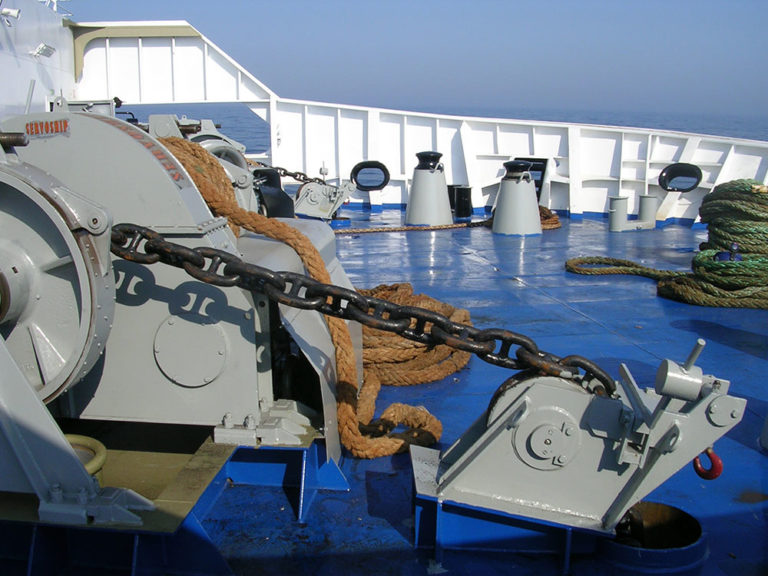
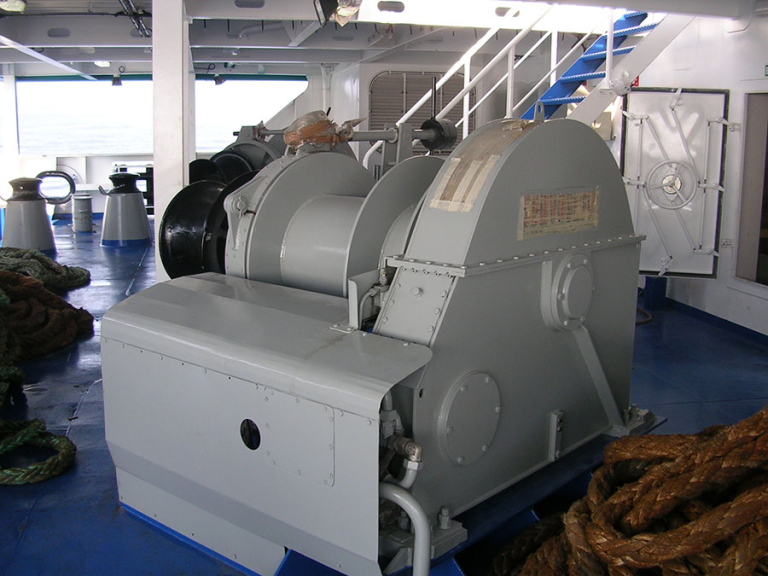
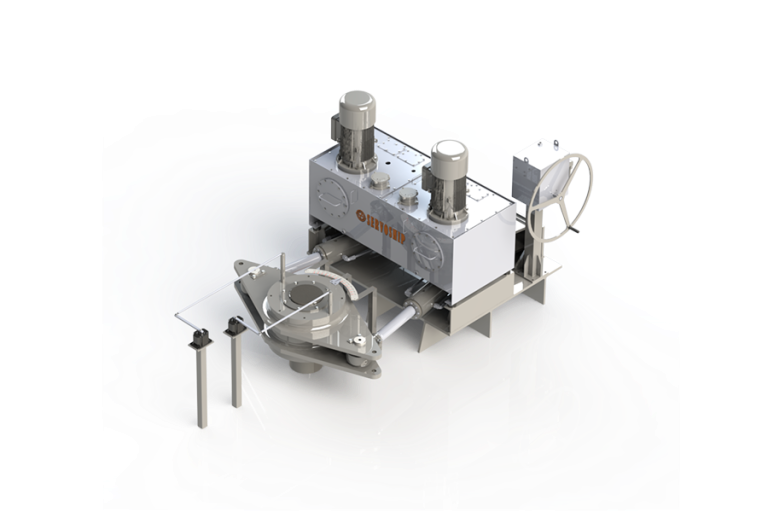
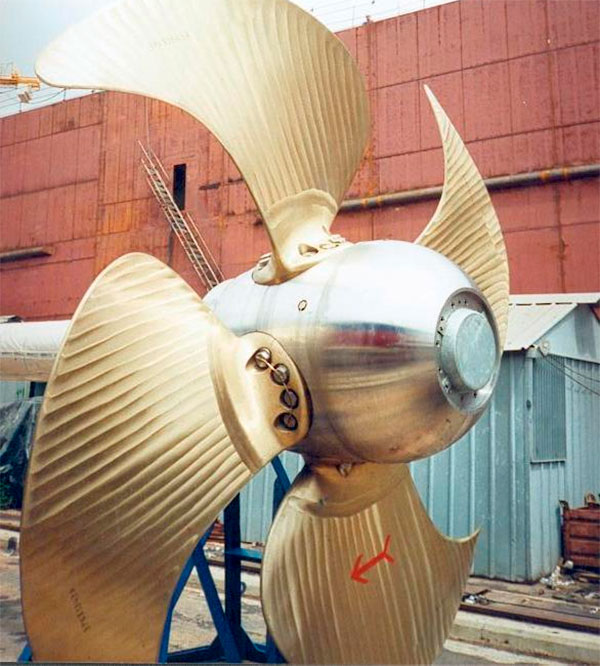
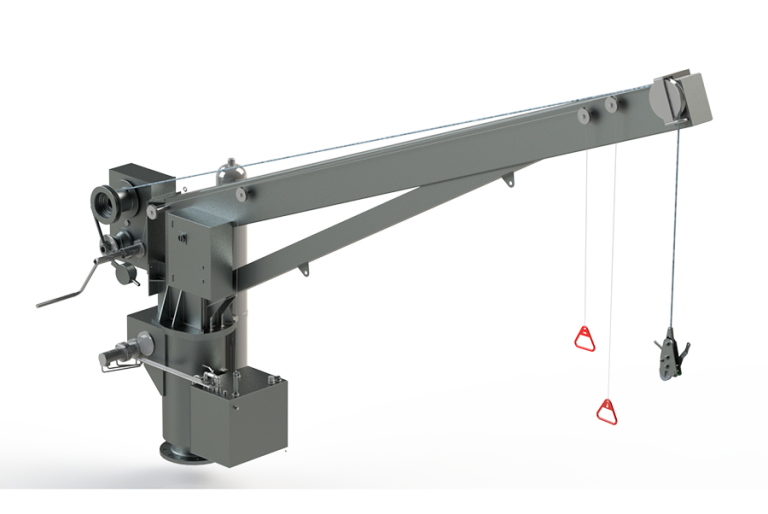
Its naval activity includes marine equipment, including steering gears, mooring and anchoring systems, davits and cranes, and propulsion solutions.
Conclusion
The durability of marine equipment in corrosive environments must be addressed from the engineering stage. Correctly defining exposure conditions, selecting compatible materials, designing the appropriate configuration and establishing suitable requirements for protection, manufacturing, inspection and maintenance makes it possible to address deterioration as an integrated engineering issue.
For equipment designed for a specific application, this approach allows the solution to be adapted to the actual conditions on board while coordinating mechanical, environmental, regulatory and maintenance requirements from the outset.
Engineering and manufacturing experience are particularly valuable when these factors must be integrated into a single piece of equipment. Servoship has more than 50 years of experience in the sector and more than 480 projects, developing customised solutions with technical support throughout the different stages of the project.
Last posts
 9 de September de 2026
 2 de September de 2026
 26 de August de 2026
- 17 de August de 2026
 5 de August de 2026
 28 de July de 2026
 11 de May de 2026
 11 de May de 2026
- 11 de May de 2026
- 16 de April de 2026